This guide highlights essential methods for safe peptide handling and proper disposal. All peptides discussed here are for research use only.
Research-grade peptides are not for human use. So, they support laboratory studies, analytical work, and experimental modeling. Additionally, these compounds may be sensitive to heat, light, and contamination. You must treat every peptide with strict care. Therefore, follow your facility’s standard operating procedures SOPs at all times.
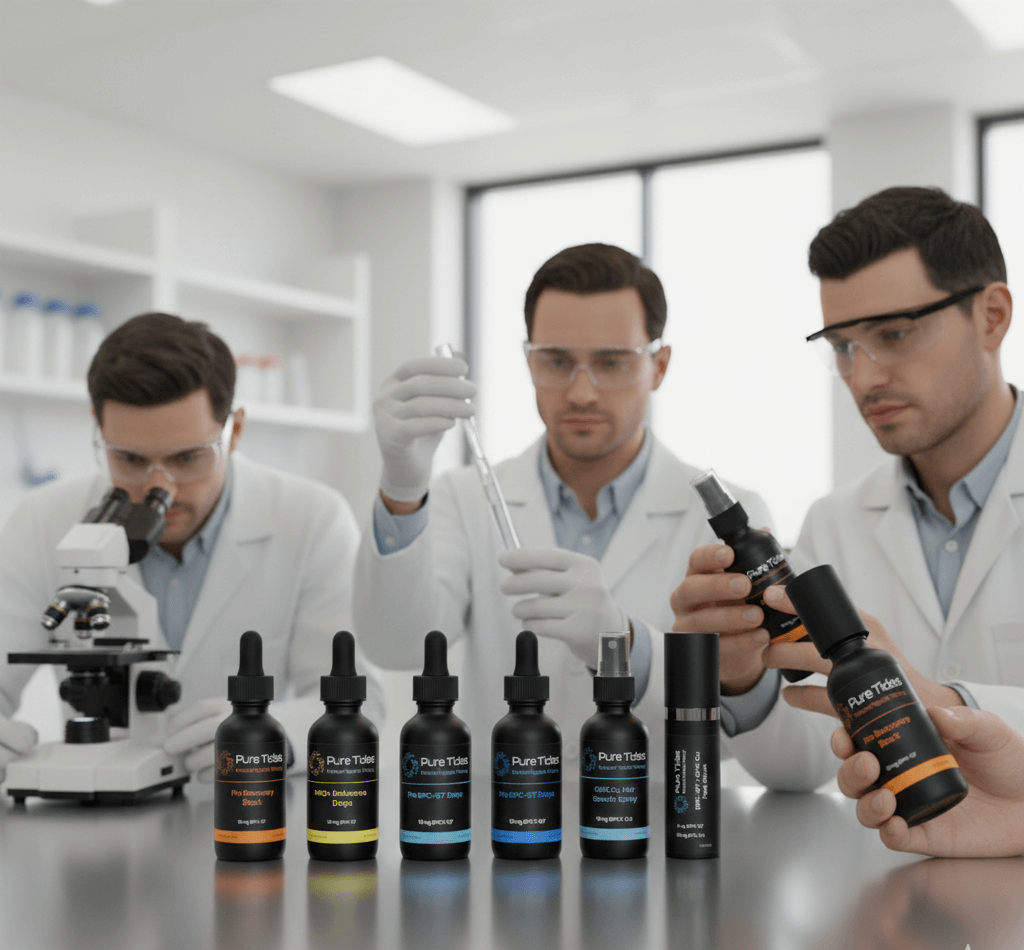
Correct storage keeps peptides stable. Use low temperatures to maintain their integrity. Keep peptides in tightly sealed vials to prevent contamination. Protect them from direct sunlight to avoid degradation. Additionally, store them in a dry environment to preserve purity. Label every vial clearly to ensure accurate identification and safe handling.
Frozen storage is ideal for long-term use. Refrigerated storage works for short-term needs. Always avoid repeated freeze-thaw cycles. They weaken peptide quality and affect study results.
Suppose the peptide contains oxidation-sensitive residues (like Methionine, Cysteine, or Tryptophan). It is the best practice to purge the vial with an inert gas (e.g., Argon or Nitrogen) before sealing it for long-term storage. This minimizes degradation due to atmospheric oxygen, extending the shelf life of these specific peptides.
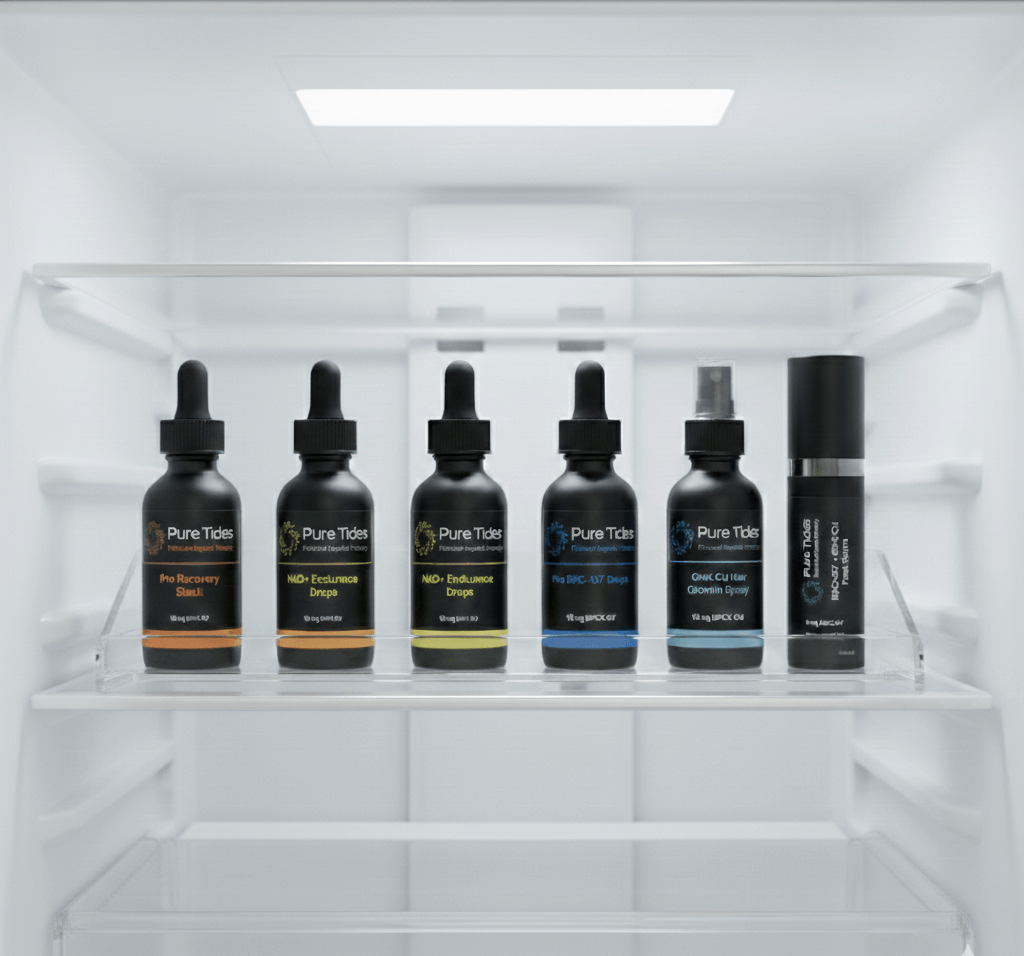
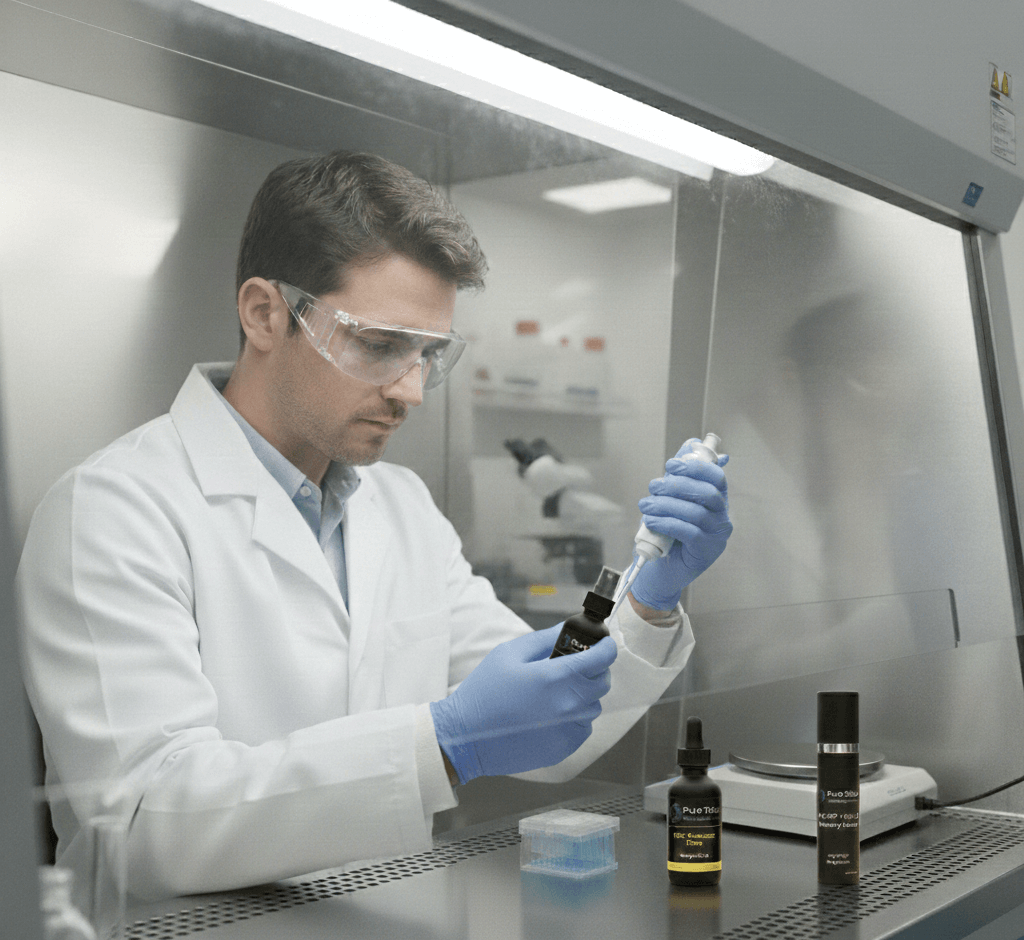
Safe handling reduces risk and contamination, so always take simple precautions. Wear gloves to protect your hands, and keep a lab coat on to prevent accidental exposure. Use protective eyewear for added safety. Therefore, work on a clean bench to maintain hygiene, and follow aseptic techniques to keep your research accurate and contamination-free.
Open vials carefully. Use sterile tools. Measure peptides with calibrated instruments. Additionally, keep exposure minimal. Handle powder peptides gently, as fine particles can spread easily. So, always prevent inhalation and direct skin contact.
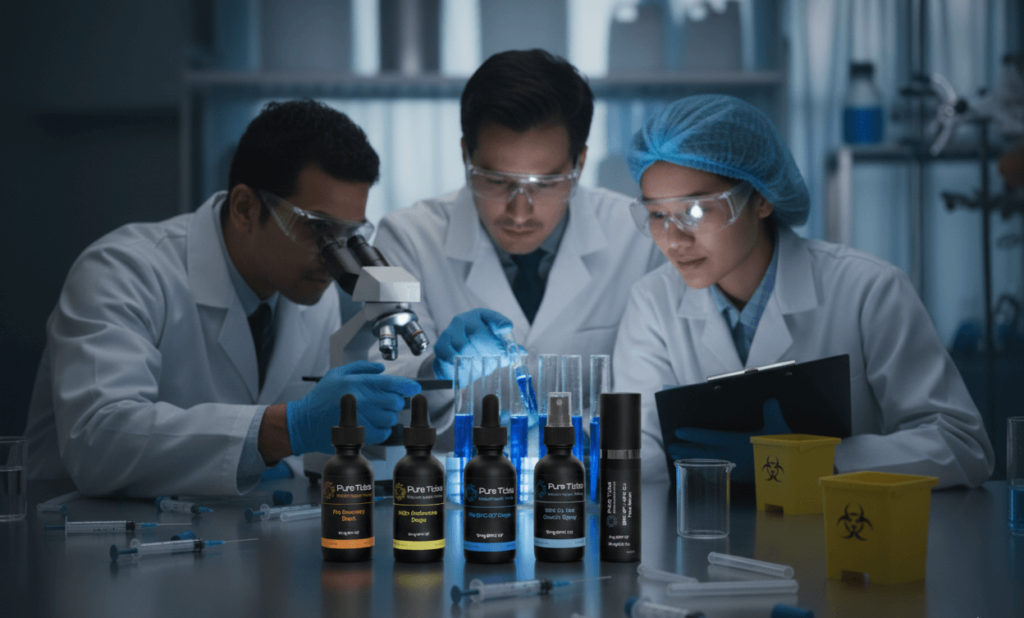
Reconstitution requires precision, so take your time and handle the process carefully. Use sterile water or buffer to keep the solution clean and safe. Mix the peptide gently to maintain its stability, and avoid shaking it vigorously. Additionally, always follow the manufacturer’s instructions to ensure the best results for your research.
Prepare only what you need. Freshly reconstituted peptides deliver better results. Therefore, store the remaining solution at recommended temperatures. Always use sterile containers to avoid bacterial contamination.
If the peptide is insoluble in sterile water/buffer, researchers may need to try specific initial solvents based on the peptide’s amino acid composition (e.g., adding a small amount of acetic acid, ammonia hydroxide, or high-purity DMSO/DMF).
Reason: Not all peptides are water-soluble, and providing this basic troubleshooting tip is essential for preparing the required stock solution successfully. Moreover, for more advanced troubleshooting and solvent guidance, click here to read our guide on peptide solvents.
Clean workspaces protect your research. Disinfect your bench before and after use to maintain a safe area. Use lint-free wipes for proper cleaning. Dispose of used gloves safely to avoid contamination. So, keep all peptide tools separate from other lab materials to ensure accurate and reliable results.
Moreover, cleanliness enhances accuracy. It also reduces waste and prevents peptide degradation.
Record everything to keep your research organized and consistent. Write the peptide name clearly on every vial. Add the concentration and date so you can track each batch. So, mention the storage conditions for safe use. Additionally, include handling instructions to guide anyone who works with the sample.
Clear labeling prevents mistakes. Proper documentation strengthens research integrity.
Proper disposal protects people and the environment. Treat all peptide waste as laboratory chemical waste to ensure safe handling. Use designated disposal containers for every type of waste. Additionally, follow institutional disposal policies for correct waste management. Never pour solutions down the sink to avoid contamination. Seal solid waste before discarding it to keep your workspace safe.
Unused solutions should go into chemical waste containers. Contaminated gloves, wipes, and vials must go into biohazard or chemical waste bags. Follow local regulations for incineration or chemical treatment. So, safe disposal prevents accidental exposure and contamination.
Safe handling improves research quality. Avoid cross-contamination to protect your results. So, use fresh tools for each sample to maintain accuracy. Seal vials immediately after use to prevent exposure. Therefore, keep peptides away from reactive chemicals to ensure safe and reliable experiments.
High-quality practices build more reliable experiments. They also show professionalism and commitment to safety.
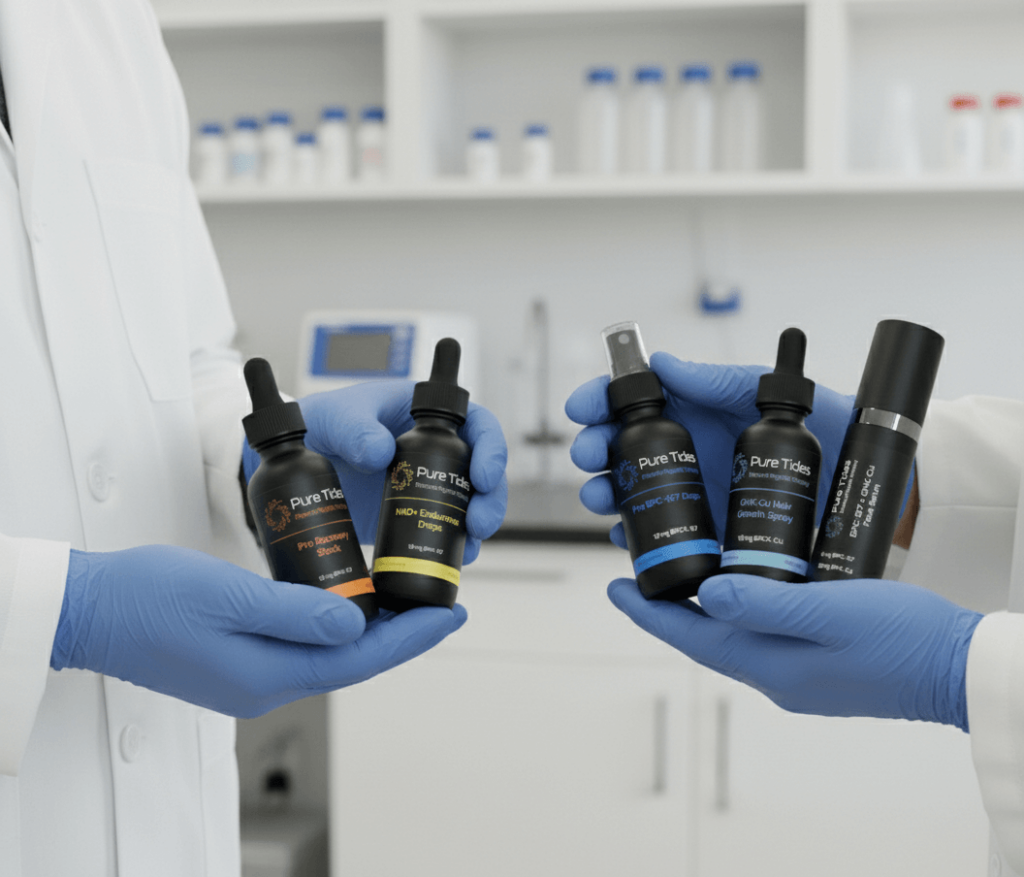
Regular training is vital for keeping everyone safe. Therefore, we conduct yearly safety sessions to ensure everyone is up to date. So, we always update team members on new Standard Operating Procedures (SOPs) as they change. It’s important to share best-practice guides regularly so everyone knows the right way to work. Finally, we demonstrate proper handling and disposal methods to maintain a safe environment for all.
Good training reduces accidents. It also builds a responsible research culture.
Researchers always comply with local and institutional regulations because safety comes first. So, everyone must follow all chemical safety rules carefully and maintain detailed logs. We conduct regular audits to check compliance, and we always keep our safety equipment updated.
Compliance prevents penalties and ensures smooth operations. It also boosts your lab’s credibility in the scientific community.
Peptides support modern research. But they demand strict safety and disposal systems. Therefore, proper handling protects you. Proper disposal protects your lab and environment. When you follow best practices, you gain cleaner results, better accuracy, and higher confidence in your experiments.
If you need high-quality research-only peptides, reliable support, or guidance, you can reach out anytime. So, your safety and research success matter.
Looking for trusted, research-grade peptides with professional guidance? Contact us today. Get safe, high-quality products and expert support for your laboratory work.
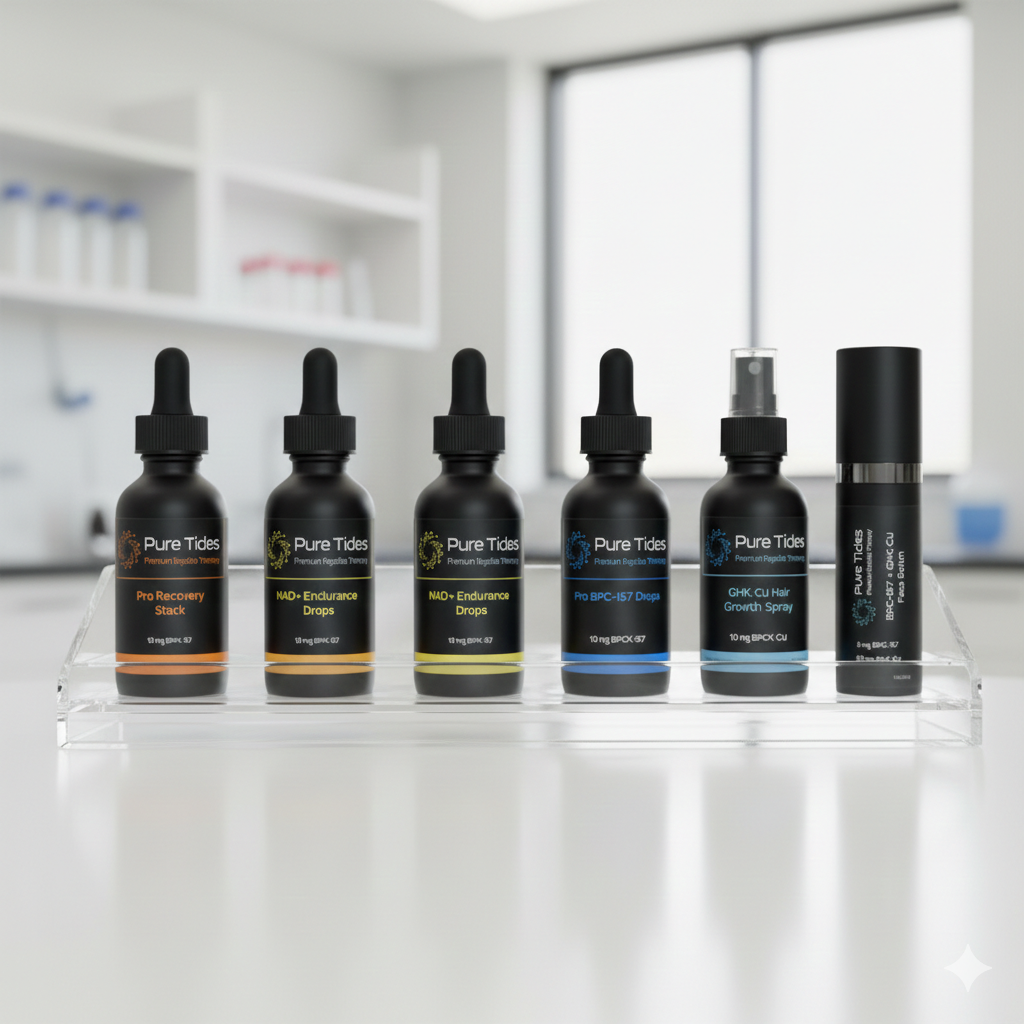
Keep them frozen or refrigerated, sealed, dry, and away from light. Always follow storage instructions.
No. Always discard peptide solutions in approved chemical waste containers.
Use sterile equipment, wear PPE, and work in a clean environment. Seal vials immediately after use.
Yes. Proper training ensures safety, accuracy, and compliance in laboratory settings.
ResearchPeptides, LabSafety, PeptideHandling