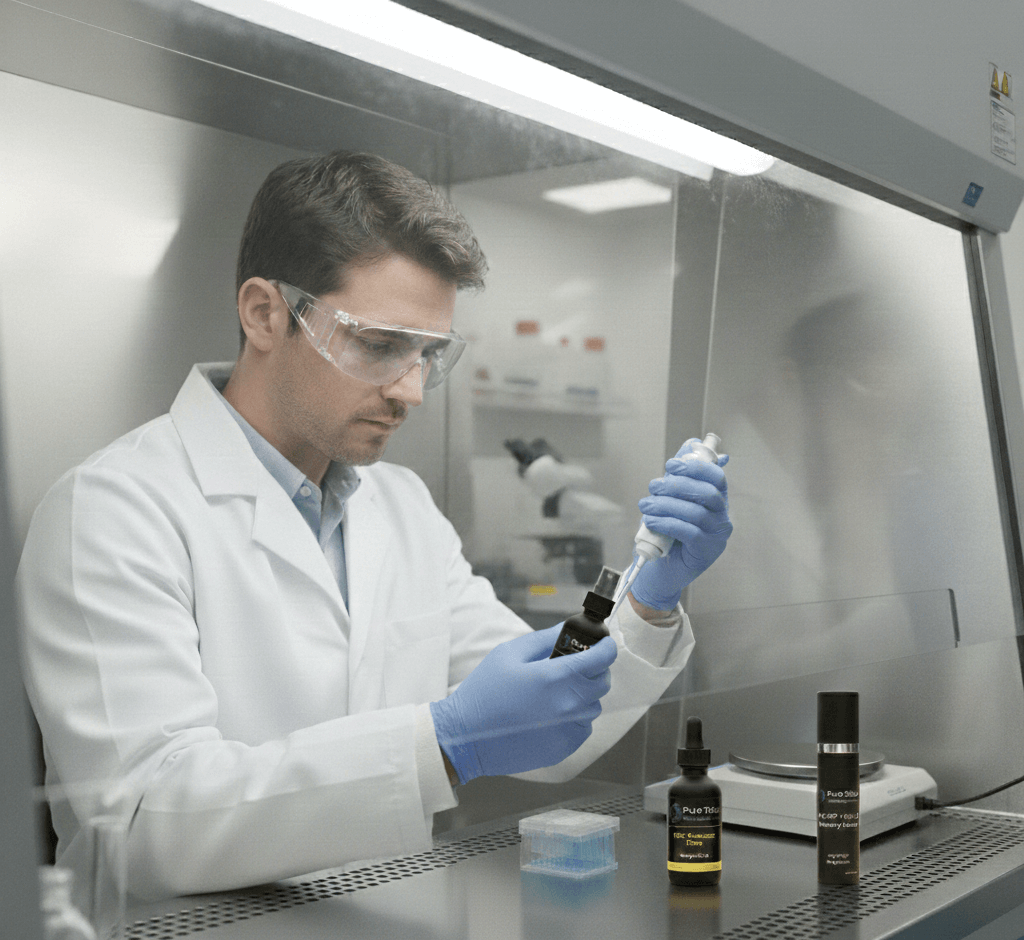

Peptide nanostructures are transforming modern research. Scientists worldwide study these advanced molecules to understand complex biological processes. In controlled laboratory environments, peptide nanostructures show strong potential in reducing amyloid formation. Researchers use them to explore new mechanisms, test scientific theories, and model disease pathways. These studies help expand scientific knowledge. These peptides are available for laboratory research use.
Amyloid formation is a serious concern in many biological investigations. It occurs when proteins fold incorrectly and form harmful aggregates. Researchers aim to understand how this process begins and how it can be slowed or prevented. Peptide nanostructures offer a new way to study these pathways. Their small size, stability, and customizable design make them powerful tools for advanced experiments.
Scientists value peptide nanostructures due to their precision. They form predictable shapes. They maintain structural consistency during experiments. This allows researchers to generate reliable results. When these nanostructures interact with amyloid forming proteins. They often change the environment around them. As a result, amyloid buildup slows down during controlled tests. This finding supports further investigations into molecular behavior.
Researchers create peptide nanostructures under lab protocols. Every step follows safe laboratory practices. No clinical application takes place. No medical claims or human benefits are involved. The focus remains purely scientific. These tools help researchers observe how peptides behave under stress, heat, or chemical exposure. These interactions reveal important clues about protein folding.


Peptide nanostructures also help in visualization studies. Scientists track protein movement and examine structural changes. They use modern imaging tools to monitor amyloid development. With peptide nanostructures present, the amyloid formation pathway shifts. This change allows researchers to study alternative folding routes. These insights contribute to larger scientific projects.

Another advantage is flexibility. Researchers can modify peptide nanostructures easily. They can adjust length, sequence, or structure to test new variables. This flexibility speeds up innovation in the lab. It helps scientists compare different experimental batches. It also allows detailed documentation for research publications.
The interest in peptide based nanotechnology continues to grow. Universities, research labs, and biotech teams invest heavily in this field. Researchers uncover new principles of molecular science and run feasibility studies to assess project viability. These experts analyze long-term stability and evaluate peptide interactions with various protein systems to ensure accurate results. Through these efforts, the understanding of amyloid formation becomes deeper and clearer.
Although peptide nanostructures show great potential, researchers approach them responsibly. Scientists perform every test under controlled conditions while following strict ethical standards. These professionals maintain proper disposal methods and adhere to guidelines for handling research-only compounds to ensure laboratory safety. This ensures safety for both the scientific team and the environment.

Amyloid research is a long term process. It requires careful planning. It demands accurate tools. Peptide nanostructures support these goals. Pure Tides Therapy provides researchers with high-quality study material. These peptides do not act as treatments and serve no medical use in humans or animals. Their only purpose is to support scientific discovery.
Researchers who invest in reliable peptide materials experience smoother workflows. High purity compounds reduce errors. Consistent nanostructure formation improves results. Trusted research suppliers help scientists stay confident in their experiments. Quality matters, especially in sensitive topics like amyloid investigation.
If you want peptide nanostructures for your laboratory study, always choose verified suppliers.Research teams examine purity reports and verify all documentation. They check for proper research-use labeling to ensure the compounds meet laboratory standards. Make sure the material aligns with your study design. Reliable peptides allow you to move forward with confidence.
The future of amyloid research looks promising. Peptide nanostructures will play a major role in upcoming studies. Their efficiency, stability, and versatility give them a strong position in modern science. As more researchers explore this field, new discoveries will emerge. Each study adds value. Each experiment opens new pathways. Peptide nanotechnology continues to strengthen the foundation of biological research.
For laboratories seeking dependable research peptides, partnering with a professional supplier is essential. Quality research materials can shape better outcomes. Safe handling ensures smooth operations. Proper documentation protects your team. When handled responsibly, peptide nanostructures become a key part of advanced scientific exploration.
Peptide nanostructures are tiny, engineered peptide assemblies used only for scientific and laboratory research.
In controlled lab studies, these nanostructures can influence protein folding behavior and reduce amyloid buildup during test conditions.
They offer high stability, predictable structure, and flexibility for experimental design.
Looking for reliable, high purity research peptides for your lab experiments?
Get in touch today and secure high quality peptide nanostructures designed for safe, controlled laboratory studies. Your research deserves trusted materials. Contact now.
#peptide research, #peptide nanostructures, #amyloid studies, #laboratory science, #molecular research