
BPC-157 and GHK-Cu are peptides studied for their potential in tissue repair and recovery. BPC-157, a peptide derived from human gastric juice, has shown promise in accelerating healing and reducing inflammation in preclinical models. It is known to influence growth factors and enhance angiogenesis, which supports tissue regeneration. Research focuses on its ability to promote faster recovery from injuries by stimulating cell proliferation and collagen production.
GHK-Cu, a copper-binding peptide, also plays a role in tissue repair. It is known to promote collagen synthesis, enhance wound healing, and reduce inflammation. GHK-Cu has been shown to increase the production of extracellular matrix proteins, aiding in the regeneration of damaged tissues. Studies have demonstrated its effectiveness in improving skin recovery, wound healing, and even neurological repair in animal models.
In research, BPC-157 and GHK-Cu are often studied together to explore their synergistic effects. Combining these peptides may enhance their individual properties, leading to more effective tissue repair and recovery. Scientists investigate how these peptides work together to stimulate growth factors, reduce oxidative stress, and support tissue remodeling processes.
Overall, the research on BPC-157 and GHK-Cu focuses on their roles in enhancing recovery and tissue regeneration in experimental models. These peptides offer valuable insights into potential therapeutic applications for injury recovery and tissue repair.
Preclinical studies on BPC-157 and GHK-Cu primarily use animal models to explore their effects on tissue repair and recovery. Rodent models, particularly mice and rats, are commonly employed due to their well-established biological similarities to humans. These models allow researchers to examine how BPC-157 and GHK-Cu affect wound healing, inflammation, and tissue regeneration.
In many studies, researchers induce injuries such as skin wounds, bone fractures, or tendon damage to mimic real-world tissue damage. They then apply BPC-157 or GHK-Cu to evaluate their impact on the healing process. These models help scientists observe the peptides’ effects on cellular proliferation, collagen formation, and tissue regeneration in a controlled environment.
Another common preclinical model involves using chemically induced damage, such as oxidative stress or inflammation, to test the peptides’ potential in mitigating cellular damage. These studies help identify the specific molecular pathways through which BPC-157 and GHK-Cu promote healing and reduce inflammation.
In addition, animal models of neurological injury are sometimes used to investigate the peptides’ effects on nerve regeneration. Researchers assess how BPC-157 and GHK-Cu influence recovery in nerve tissues after trauma, providing insight into their potential for treating neural damage.
Research on BPC-157 and GHK-Cu in wound healing focuses on their ability to accelerate tissue repair and promote recovery. BPC-157 has shown significant potential in enhancing the healing of skin wounds, muscle injuries, and tendon damage in preclinical models. It works by stimulating angiogenesis, the formation of new blood vessels, which improves blood supply to damaged tissues. This process accelerates the healing of wounds by promoting cell proliferation and collagen synthesis.
GHK-Cu also plays a key role in wound healing. It stimulates collagen production and enhances extracellular matrix formation, which are essential for tissue regeneration. Studies have shown that GHK-Cu increases the rate of wound closure and reduces scar formation. It does so by modulating the activity of growth factors involved in tissue repair and by reducing oxidative stress in the injured area.
When used together, BPC-157 and GHK-Cu may have a synergistic effect on wound healing. Research suggests that combining these peptides can further enhance cellular repair mechanisms, speed up tissue regeneration, and reduce inflammation. This combination may offer a more effective approach to healing complex wounds and injuries.
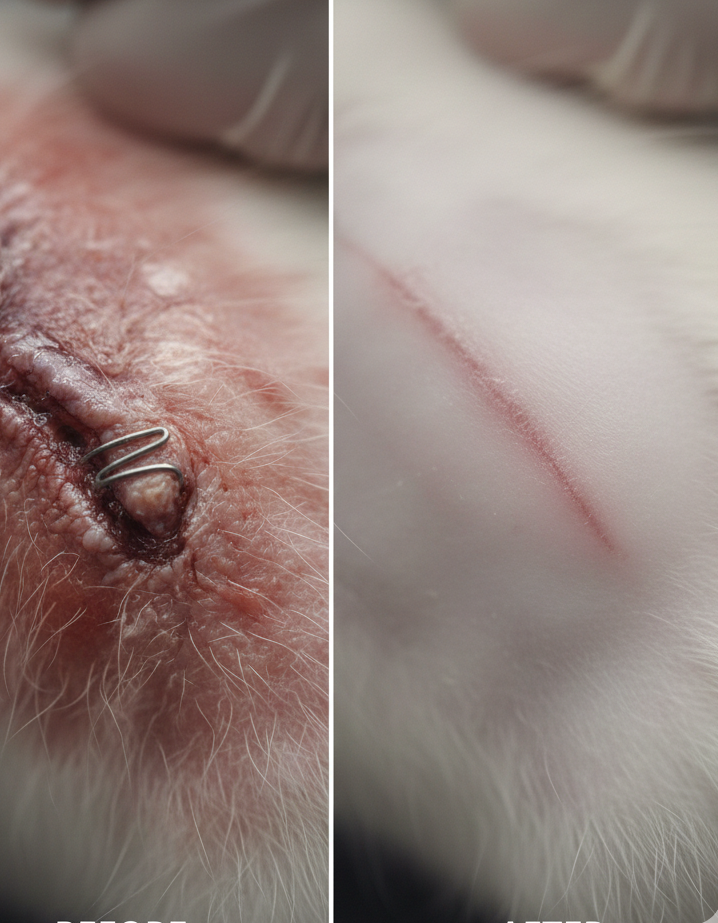
Research on the synergistic effects of BPC-157 and GHK-Cu focuses on how these peptides work together to enhance recovery. BPC-157 accelerates healing by promoting cell proliferation and angiogenesis. GHK-Cu stimulates collagen synthesis and reduces inflammation. When combined, their individual actions may complement each other, leading to more efficient and faster recovery in injured tissues.
BPC-157 enhances the healing of various tissues by improving blood flow and supporting cellular repair. GHK-Cu, on the other hand, boosts the production of extracellular matrix proteins, which are crucial for tissue regeneration. The combination of these peptides may strengthen both processes, improving wound closure and tissue remodeling.
Studies suggest that the two peptides may also work together to reduce oxidative stress. BPC-157 has anti-inflammatory properties, while GHK-Cu helps protect cells from damage caused by free radicals. This dual action can result in more effective healing with less scarring and better tissue integrity.

Research on the molecular mechanisms of BPC-157 and GHK-Cu focuses on how these peptides promote tissue repair at the cellular level. BPC-157 works by stimulating the production of growth factors, particularly those involved in angiogenesis. It enhances the formation of new blood vessels, improving blood flow to injured tissues. This increased blood supply accelerates the delivery of oxygen and nutrients to damaged areas, supporting faster healing.
GHK-Cu promotes the synthesis of collagen and extracellular matrix proteins. It activates various signaling pathways, including those involved in wound healing and tissue regeneration. GHK-Cu also modulates the activity of growth factors such as TGF-β and VEGF, which are critical for tissue repair. It plays a key role in reducing inflammation and oxidative stress in the injured area, further supporting the healing process.
Together, BPC-157 and GHK-Cu work synergistically to promote tissue regeneration. BPC-157 enhances cellular proliferation and migration, while GHK-Cu supports the structural integrity of the tissue by stimulating extracellular matrix production. Research suggests that their combined actions may lead to more efficient and coordinated healing responses.
Research on the safety and toxicology of BPC-157 and GHK-Cu in preclinical studies focuses on evaluating their safety profiles. Researchers assess potential toxicity by administering different doses of these peptides to animal models and monitoring any adverse effects. These studies help determine the maximum safe dose and identify any possible side effects.
BPC-157 has shown a favorable safety profile in animal models, with no significant toxicity observed at therapeutic doses. Researchers primarily examine its effects on vital organs such as the liver, kidneys, and heart. Toxicological studies help confirm that BPC-157 does not cause long-term damage to these organs and does not lead to harmful systemic effects.
Similarly, GHK-Cu is tested for its potential toxic effects. Preclinical studies investigate whether GHK-Cu affects cellular structures or induces inflammation. These studies also evaluate its impact on organ function and the immune system. Research indicates that GHK-Cu is generally well-tolerated in animal models when administered within the recommended doses.
Both peptides are also tested for any genotoxic or carcinogenic effects. In these studies, researchers evaluate whether BPC-157 or GHK-Cu causes DNA damage or has the potential to promote cancerous growth. So far, studies have not shown any genotoxic or carcinogenic effects associated with these peptides.
Research on the potential therapeutic applications of BPC-157 and GHK-Cu focuses on their ability to enhance tissue repair. BPC-157 has shown promise in promoting healing in various types of injuries, including tendon, muscle, and bone damage. Studies suggest that it may be useful in treating chronic wounds, soft tissue injuries, and joint dysfunction by stimulating cell proliferation.
GHK-Cu also has therapeutic potential, particularly in wound healing andskin regeneration. Research indicates that it enhances collagen synthesis and supports the remodeling of the extracellular matrix, making it valuable for treating skin wounds and burns. GHK-Cu’s ability to reduce inflammation and oxidative stress further supports its potential in therapeutic applications for tissue repair.
The combination of BPC-157 and GHK-Cu may offer even greater therapeutic benefits. Studies suggest that the two peptides together can improve tissue regeneration, reduce scarring, and speed up recovery processes. This combination could be particularly useful for treating complex or deep tissue injuries, where both cellular repair and remodeling are essential.

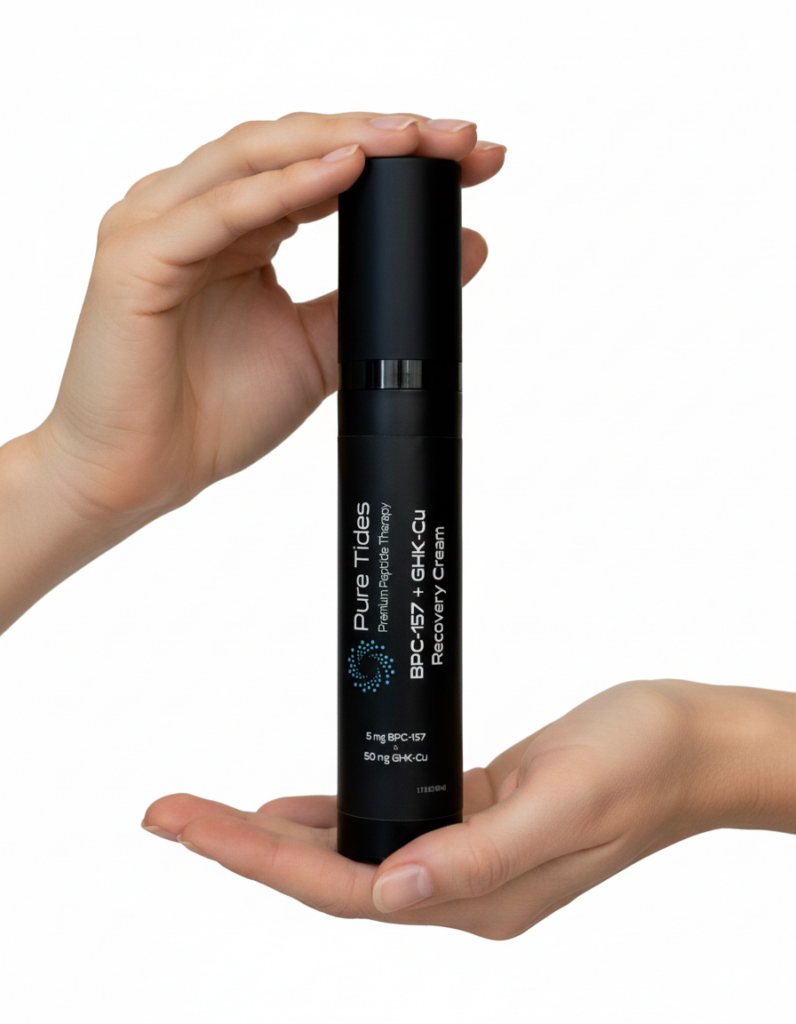
Research on BPC-157 and GHK-Cu cream has demonstrated promising preclinical findings in tissue repair and recovery. Both peptides show significant potential in enhancing wound healing, promoting collagen synthesis, and reducing inflammation in experimental models. BPC-157 accelerates healing by stimulating angiogenesis and cellular proliferation, while GHK-Cu supports tissue regeneration through collagen production and extracellular matrix remodeling.
The combination of BPC-157 and GHK-Cu appears to have synergistic effects, leading to more efficient and effective tissue repair. Preclinical studies highlight their complementary actions in enhancing recovery and reducing scarring. These findings suggest that the peptides may be valuable for treating complex injuries and improving overall recovery processes.
However, further research is needed to explore the full therapeutic potential of BPC-157 and GHK-Cu in clinical settings. Ongoing studies will continue to refine our understanding of their mechanisms and effectiveness in various injury models. The preclinical data provide a solid foundation for future investigations into their potential applications in medicine.
How do BPC-157 and GHK-Cu work together in research?
BPC-157 and GHK-Cu are studied together for their synergistic effects. BPC-157 stimulates cell proliferation and angiogenesis, while GHK-Cu promotes collagen synthesis and extracellular matrix remodeling, enhancing tissue repair.
Are BPC-157 and GHK-Cu safe in preclinical studies?
Preclinical studies have indicated that both peptides are safe within recommended doses. They do not show significant toxicity or cause long-term damage to vital organs in animal models.
Can BPC-157 and GHK-Cu help in reducing scarring?
Yes, preclinical studies suggest that these peptides may reduce scar formation by promoting efficient tissue regeneration and collagen production, leading to smoother recovery.
How can BPC-157 and GHK-Cu be applied in research?
These peptides are typically applied topically in experimental models to study their effects on wound healing and tissue regeneration.
Explore the potential of BPC-157 and GHK-Cu in tissue repair and recovery with high quality research materials. Plus, get free shipping when you spend $150 or more.