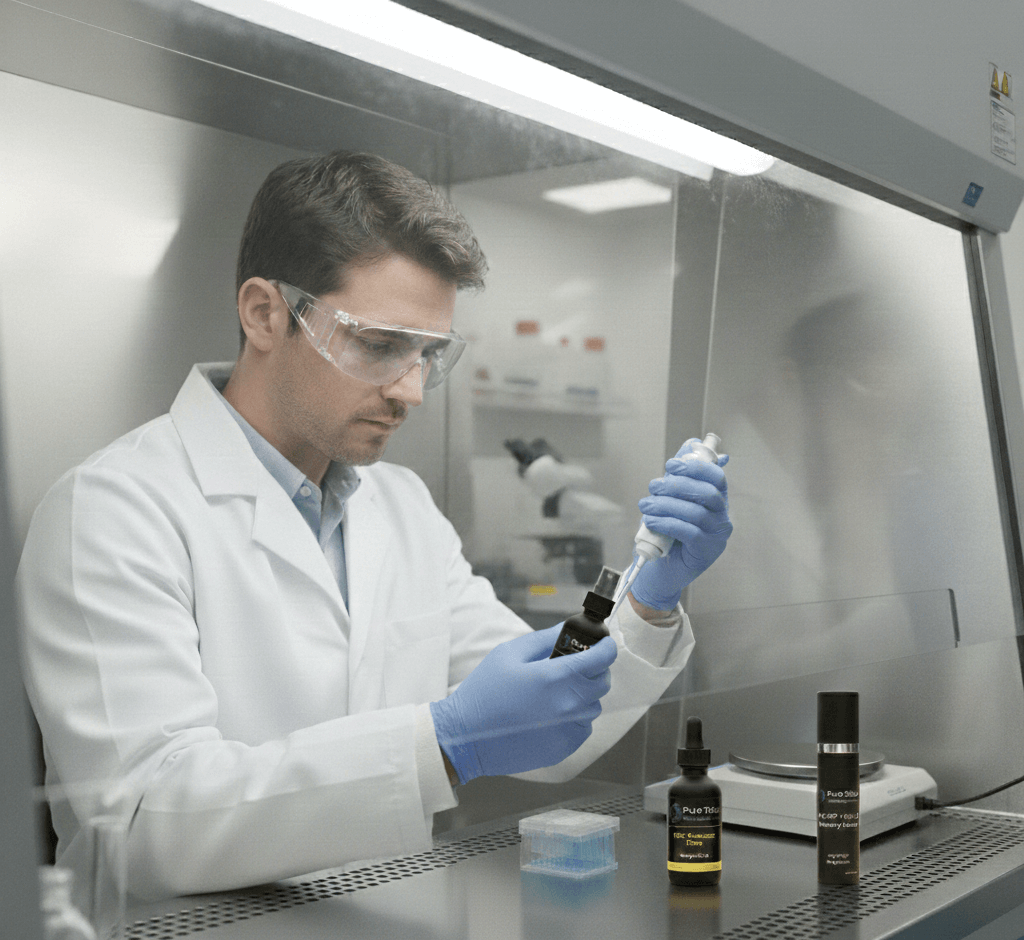
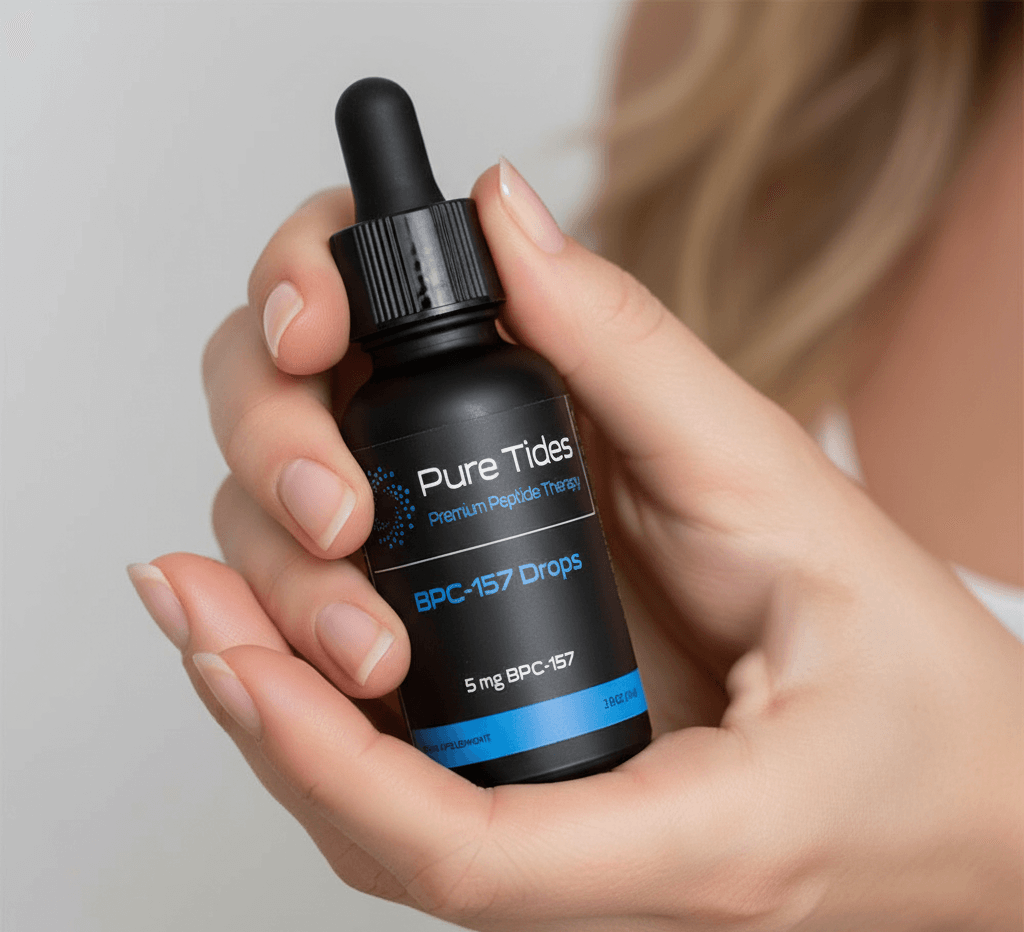
BPC-157 has garnered attention in the scientific and research communities due to the growing interest in biological activity observed in preclinical studies. Often referred to informally as the “Wolverine peptide,” this nickname reflects how researchers and science commentators describe its association with tissue related research models, not a scientific classification or medical claim.
In laboratory and experimental settings, researchers study BPC-157 to gain a deeper understanding of its interaction with cellular signaling pathways involved in tissue integrity, inflammatory mechanisms, and regenerative processes. Most available data comes from in vitro experiments and animal models, forming an early foundation for ongoing investigation.
BPC-157 is a synthetic peptide consisting of a specific sequence of amino acids that was originally identified as part of a naturally occurring body protection compound found in gastric tissue. In research settings, scientists isolate and study this peptide to better understand its chemical stability, molecular structure, and interaction with biological systems under controlled conditions.
Within scientific literature, BPC-157 is primarily investigated for its activity in cellular signaling pathways that are relevant to tissue integrity and biological repair processes. Preclinical studies explore how the peptide behaves in in vitro environments and animal models, examining factors such as cellular communication, inflammatory signaling, vascular-related pathways, and structural tissue responses. These studies aim to map potential mechanisms rather than confirm therapeutic outcomes.
Despite growing research interest, BPC-157 remains an experimental compound. Data is largely limited to laboratory and preclinical models, with minimal validated human research available.

In laboratory research, BPC-157 drops describe a liquid form preparation of the peptide used strictly for experimental and analytical purposes. Researchers work with liquid formulations to support controlled study designs, including biochemical analysis, stability testing, and comparative research across different peptide formats. The liquid state allows scientists to evaluate concentration accuracy and consistency within research protocols.
From a research perspective, scientists examine how BPC-157 behaves in solution under defined laboratory conditions. Studies may assess factors such as chemical stability, degradation patterns, and sensitivity to environmental variables like temperature and light. These evaluations help researchers understand how the peptide performs as a research material rather than as a therapeutic product.
Laboratory discussions also consider how liquid peptide formulations integrate into experimental workflows, such as compatibility with in vitro systems or analytical instruments. All use remains confined to regulated research environments with appropriate documentation and quality controls.
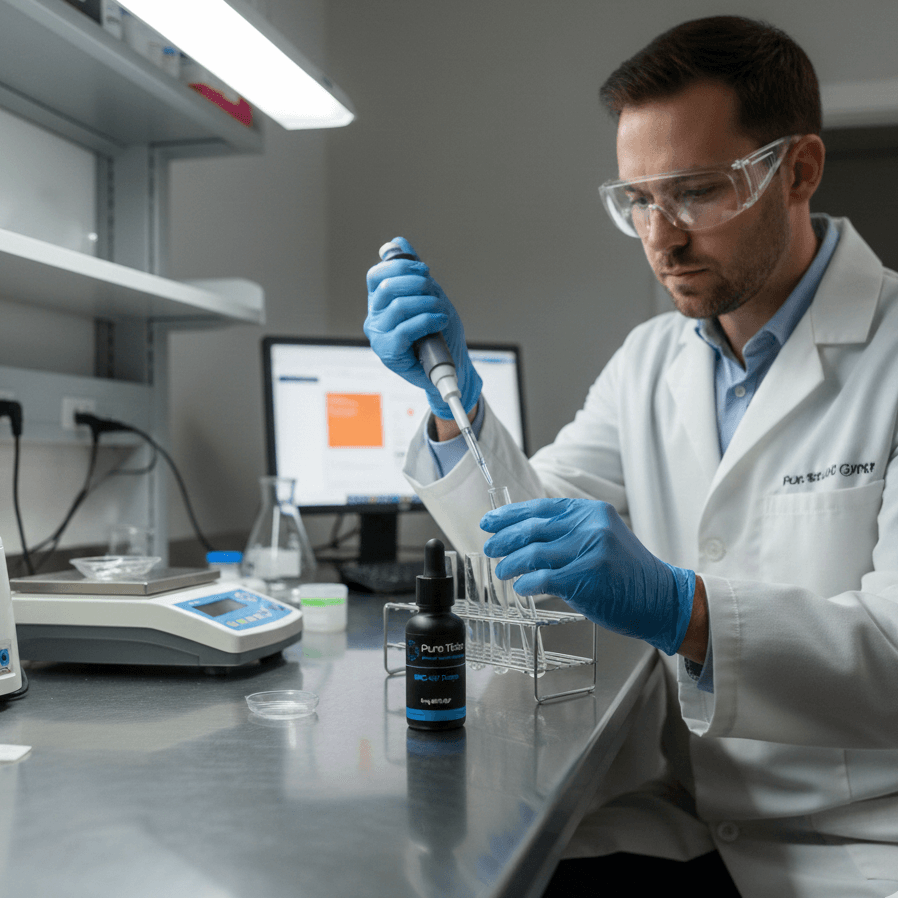
Research suggests that BPC-157 interacts with multiple cellular signaling pathways studied in experimental models. Scientists investigate how the peptide influences communication between cells, particularly in pathways associated with tissue structure, inflammation-related responses, and vascular activity. These interactions are observed under controlled laboratory conditions and form the basis of ongoing mechanistic research.
Preclinical studies also explore BPC-157’s involvement in processes linked to angiogenesis and cellular migration, which are commonly examined in tissue related research models. Researchers analyze how these mechanisms may contribute to maintaining tissue integrity in experimental environments, without concluding therapeutic effects.
All proposed mechanisms remain theoretical and under investigation. Findings vary depending on study design, model type, and experimental parameters. Current understanding is limited to in vitro and animal research.
Researchers study BPC-157 in regenerative research because of its observed biological activity in preclinical models related to tissue structure and repair mechanisms. Scientific interest centers on how the peptide interacts with cellular signaling pathways that researchers commonly examine when modeling tissue maintenance and recovery in experimental systems.
In laboratory and animal studies, BPC-157 attracts attention for its involvement in processes linked to inflammation related signaling, vascular pathways, and cellular communication. These areas are central to regenerative biology research, prompting scientists to explore how the peptide behaves within controlled environments and defined experimental conditions.
BPC-157 also draws research interest due to its chemical stability and reproducibility in laboratory settings, which support mechanistic studies and comparative analysis. All investigations remain exploratory and limited to preclinical research.
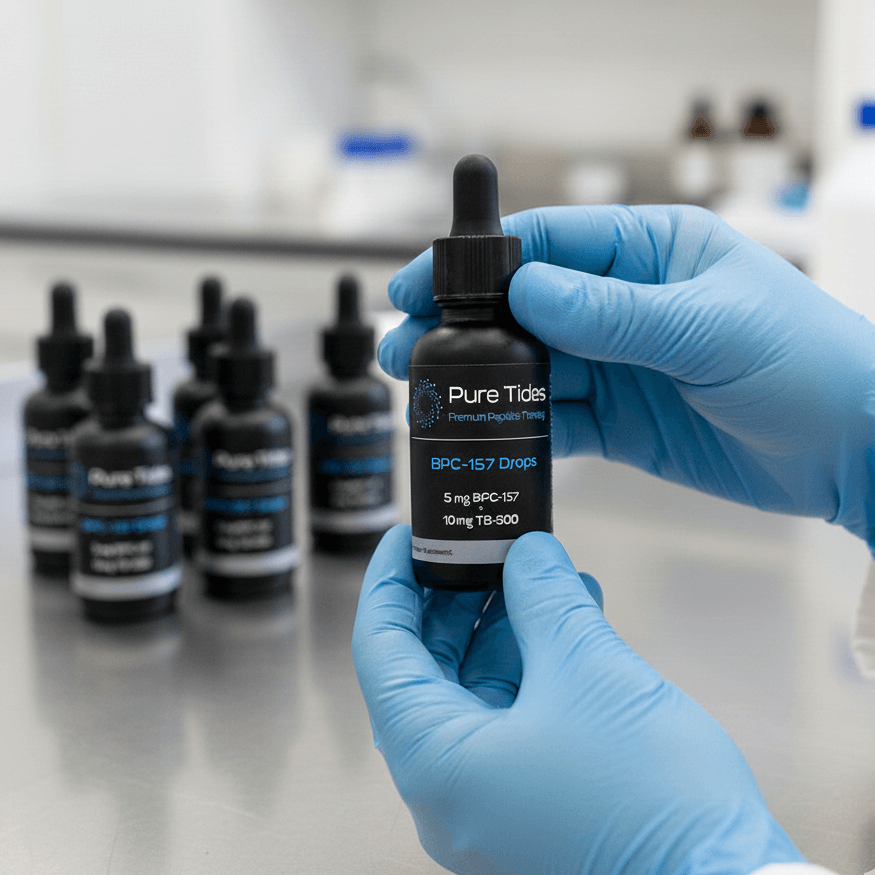
In research settings, BPC-157 drops represent a liquid formulation of the peptide, which researchers use for specific experimental and analytical purposes. Liquid forms allow scientists to study concentration accuracy, solution stability, and interaction with in vitro systems under controlled laboratory conditions. Researchers often prefer this format when conducting assays, stability testing, or comparative formulation studies.
Other research forms of BPC-157, such as powders or encapsulated formats, are studied for different experimental needs. Powdered forms support long term storage studies and precise reconstitution protocols, while encapsulated forms are typically examined for formulation consistency and material handling in research workflows. Each format serves a distinct role depending on the study design and laboratory objectives.
Comparative research focuses on handling characteristics, stability profiles, and experimental compatibility, not on effectiveness or consumption. All forms of BPC-157 are treated as experimental materials only. This compound is intended strictly for research purposes only and is not approved for human or veterinary use.
Current scientific evidence on BPC-157 is derived mainly from preclinical research, including in vitro experiments and animal studies. Researchers investigate its biological activity by observing how it interacts with cellular signaling pathways related to tissue structure, inflammation associated processes, and vascular mechanisms under controlled laboratory conditions.
Study findings often report measurable biological responses in experimental models, such as changes in cellular communication, tissue morphology, and molecular markers relevant to regenerative research. These observations help researchers form hypotheses about potential mechanisms of action, but they do not establish clinical relevance or real world outcomes.
Overall, the existing body of evidence remains exploratory and limited in scope. Variations in study design, models used, and experimental parameters lead to inconsistent results across the literature.
Research on BPC-157 is still in an early stage, with most data coming from preclinical and laboratory based studies. The majority of findings rely on in vitro experiments and animal models, which limits the ability to generalize results beyond controlled research environments.
Significant knowledge gaps remain regarding long term effects, reproducibility across diverse models, and standardized research protocols. Variations in study design, experimental conditions, and evaluation methods often lead to inconsistent or non comparable results across studies.
Safety considerations for BPC-157 focus exclusively on its use within controlled laboratory and experimental environments. Researchers handle the compound following institutional safety protocols, chemical handling guidelines, and approved standard operating procedures to minimize risk and ensure experimental integrity.
In research studies, scientists assess safety through preclinical toxicology models, including cell viability assays and short term exposure observations in animal or in vitro systems. Because comprehensive long term safety data is limited, researchers approach experimentation cautiously and document all observed biological responses.
Proper storage, labeling, and restricted access are essential to prevent misuse or unintended exposure. All safety discussions apply strictly to research use.
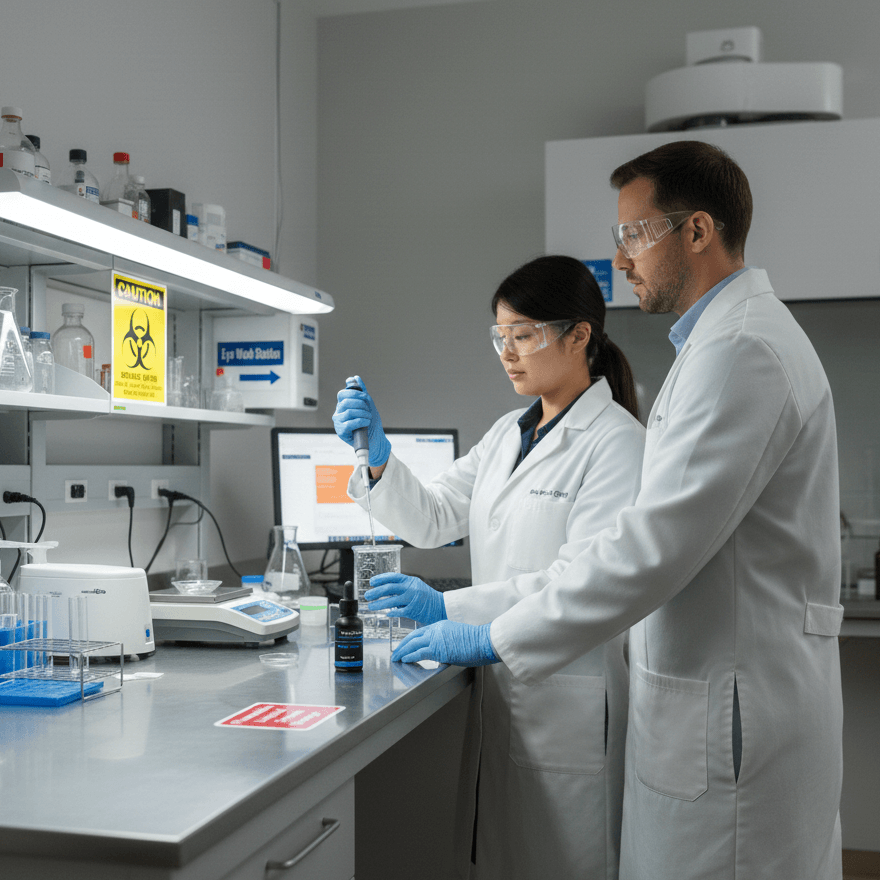
Regulatory authorities classify BPC-157 as a research-only compound and have not approved it as a drug, supplement, or therapeutic agent. They do not authorize its use for humans or animals, nor can anyone market it for treatment, diagnosis, or consumption.
In many jurisdictions, BPC-157 may be legally manufactured, sold, and purchased only for scientific and laboratory research, provided it is clearly labeled for research use. Compliance with local regulations, import controls, and institutional policies is required, and responsibility for lawful use rests with the researcher or institution.
Ethical use of BPC-157 requires strict adherence to scientific integrity, transparency, and regulatory compliance. Researchers must ensure the compound is used only within approved laboratory settings and for clearly defined research objectives.
Institutions and investigators are responsible for following ethical review processes, including institutional guidelines and oversight where applicable. Accurate documentation, proper labeling, and controlled access help prevent misuse and ensure accountability throughout the research process.
All research involving BPC-157 must clearly state its research only status and avoid claims related to treatment or consumption. Ethical handling protects the validity of scientific research and supports the responsible advancement of knowledge.

Our BPC-157 drops are developed to meet the needs of serious scientific research, with a strong emphasis on quality, consistency, and transparency. We prepare each batch under controlled conditions to support reliable handling and reproducible results in laboratory environments.
We prioritize clear documentation, proper labeling, and research focused presentation so investigators can integrate the product confidently into approved experimental workflows. The liquid format supports analytical testing, stability assessment, and controlled laboratory applications without implying consumer or clinical use.
Above all, we are committed to responsible distribution and ethical research standards. Our BPC-157 drops are intended strictly for research purposes only and are not approved for human or veterinary use.
What is BPC-157, and why is it called the “Wolverine Peptide”?
BPC-157 is a synthetic peptide studied in scientific research for its potential role in tissue repair and regeneration. The “Wolverine” nickname comes from its fast-healing associations in preclinical studies.
What are BPC-157 drops in a research context?
BPC-157 drops refer to a liquid form of the peptide used in laboratory and experimental research settings, not intended for human or veterinary use.
How does BPC-157 work according to research studies?
Research suggests that BPC-157 may interact with cellular signaling pathways related to inflammation control, angiogenesis, and tissue integrity; however, findings are still under investigation.
Is there scientific evidence supporting BPC-157 research?
Most available data comes from animal models and preclinical studies. Human clinical trials are limited, and more research is needed to draw definitive conclusions.
What makes BPC-157 drops different from other peptide forms?
Researchers compare drops to capsules or injectables based on stability, absorption models, and experimental design rather than consumer use.
BPC-157 continues to be a subject of growing interest within scientific and regenerative research due to observations reported in preclinical and laboratory studies. Researchers explore its biological activity to better understand underlying mechanisms related to tissue integrity, cellular signaling, and experimental recovery models.
Despite increasing attention, current evidence remains limited to in vitro and animal research, with important gaps in long term data and standardized methodologies. These limitations underscore the need for cautious interpretation and continued, well designed scientific investigation.
All discussions and applications of BPC-157 are confined to research contexts only. Responsible handling, ethical use, and regulatory compliance remain essential.
Dive into the science behind the “Wolverine Peptide” with Pure Tides Therapy. Explore research focused insights on BPC-157 drops, mechanisms, and current studies, designed strictly for educational and research purposes.
Free shipping on orders over $150. Discover peptide research with confidence at Pure Tides Therapy.
BPC-157 drops, Peptide research, Peptide science