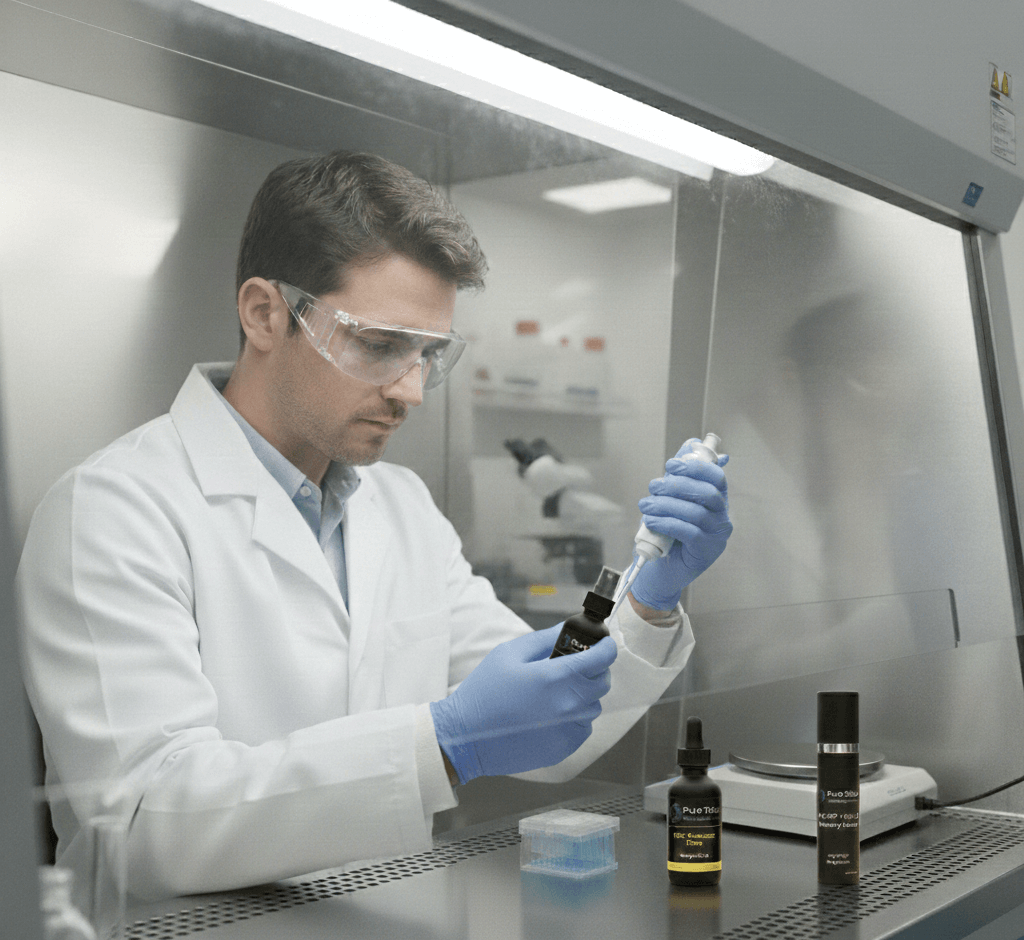

Recovery peptides are bioactive compounds studied in scientific research for their role in biological processes. Researchers analyze these peptides to better understand how specific amino acid sequences influence signaling pathways.
In laboratory and preclinical settings, researchers commonly examine how recovery peptides interact with inflammation pathways and cellular communication. These areas are central to regenerative research, making peptides valuable tools for studying complex biological responses under controlled conditions.
Interest in recovery peptides grows as research expands. However, current findings remain exploratory and model-based.
Tissue repair is a complex biological process that involves coordinated cellular signaling and structural remodeling. In research settings, scientists study how cells respond to injury by activating repair pathways that support tissue integrity and functional restoration.
Key mechanisms examined in tissue repair research include cell migration, angiogenesis, and extracellular matrix remodeling. Researchers investigate how growth signals, immune responses, and vascular activity interact to maintain tissue structure in experimental models.
These biological foundations form the basis for studying recovery related compounds in laboratory and preclinical environments. Understanding these processes helps researchers design experiments and interpret findings accurately.
Researchers derive BPC-157 from a protein sequence found in the natural body protection compound. In scientific research, it is studied to understand its biochemical properties and how it interacts with biological systems under controlled experimental conditions.
Research on BPC-157 focuses on its involvement in cellular signaling pathways related to tissue integrity, inflammation associated responses, and vascular related mechanisms. Preclinical studies use in vitro systems and animal models to observe biological activity and explore proposed mechanisms without establishing clinical outcomes.
Scientists model TB-500 after a fragment of thymosin beta-4, a natural protein that regulates cellular processes. In scientific research, TB-500 is studied to examine its biochemical characteristics and role in cellular behavior within controlled experimental environments.
Research interest in TB-500 centers on its involvement in cell migration, cytoskeletal organization, and angiogenesis related pathways. Preclinical studies explore how the peptide influences cellular movement and structural dynamics in tissue related research models, using in vitro systems and animal studies.
Current findings remain experimental and limited to preclinical research. Variability in study design and models highlights the need for continued investigation. Authorities restrict TB-500 strictly to research purposes and do not approve its use for humans or animals.
Comparative research on recovery peptides helps scientists understand how different peptide structures interact with biological systems in experimental settings. Researchers evaluate variations in amino acid sequences, molecular stability, and degradation patterns to determine how each peptide behaves under controlled laboratory conditions.
In regenerative and recovery focused research. Peptides such as BPC-157 and TB-500 are studied for their distinct biological targets. BPC-157 research often emphasizes cellular signaling pathways related to tissue integrity and inflammation associated mechanisms. TB-500 research focuses more on cell migration, cytoskeletal dynamics, and angiogenesis related processes. Comparing these pathways allows researchers to map overlapping and unique areas of experimental interest.
Ultimately, these comparative perspectives support hypothesis-driven research rather than therapeutic conclusions. Differences in study design, model selection, and experimental parameters can lead to varied findings across the literature.
In peptide research, synergy refers to how different peptides interact within experimental models to influence multiple biological pathways simultaneously. Furthermore, researchers explore these concepts to understand if combining peptides provides broader insight into complex biological processes. Consequently, this approach helps clarify how distinct molecules work together in experimental settings.
Scientific interest in synergistic research arises from the observation that different peptides often target distinct mechanisms. Specifically, researchers study one peptide for its role in cellular signaling, whereas they examine another for its effects on cell migration. Investigating these interactions helps researchers evaluate complementary or overlapping biological responses in laboratory settings.
Synergistic concepts remain theoretical and highly dependent on study design, dosage parameters, and model selection. All findings are exploratory and limited to preclinical and in vitro research. Such research aims to advance scientific understanding only.
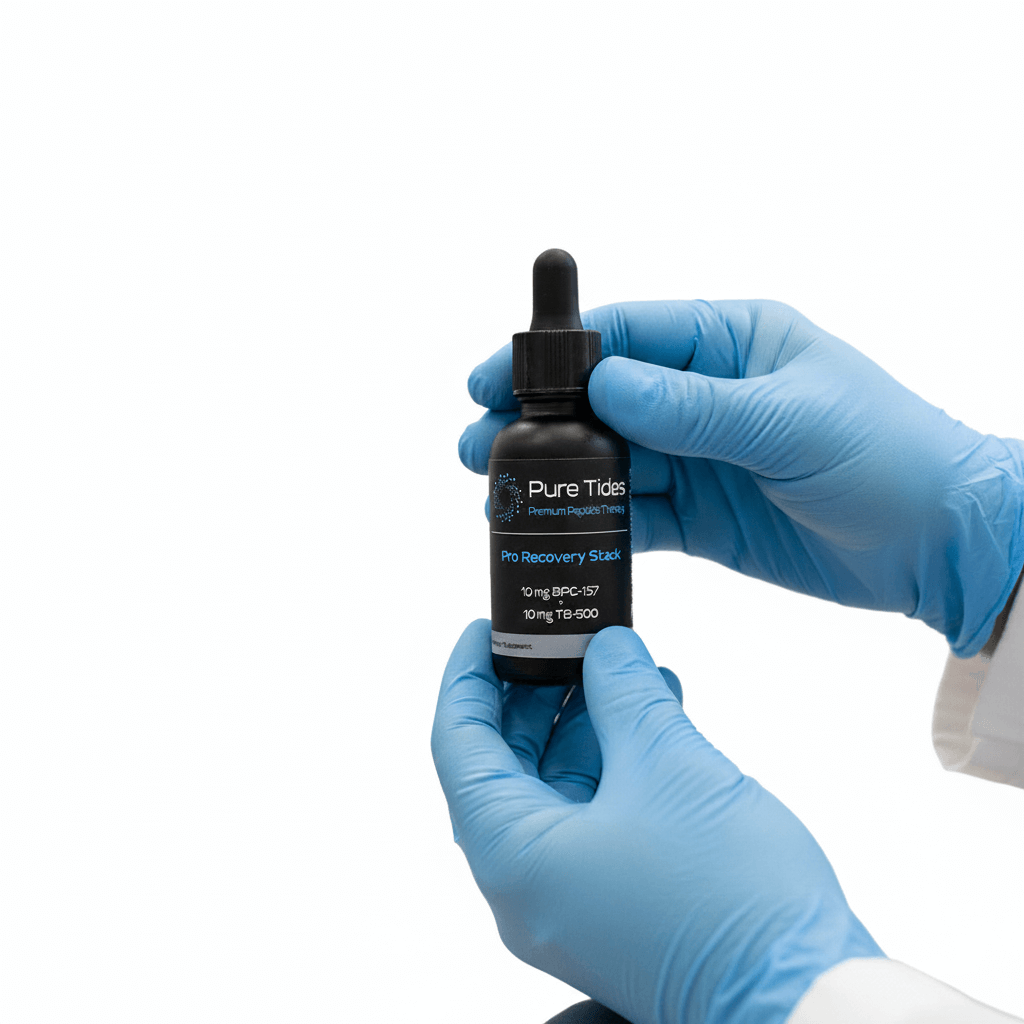
Beyond BPC-157 and TB-500, scientific research continues to explore a broader range of peptides and bioactive compounds involved in recovery and regenerative biology. Researchers investigate these emerging peptides to better understand additional pathways related to tissue structure, cellular communication, and biological repair mechanisms in experimental models.
Some studies focus on peptides associated with growth factor signaling, extracellular matrix interaction, or immune modulation. Others examine novel synthetic peptides designed to target specific cellular processes. These compounds expand the scope of recovery research and allow scientists to compare mechanisms across different molecular targets.
All research beyond BPC-157 and TB-500 remains exploratory and confined to laboratory and preclinical environments. Ultimately, findings help guide future investigation but do not establish clinical relevance.
Scientific evidence related to recovery peptides is derived primarily from preclinical and laboratory based studies. Researchers rely on in vitro experiments and animal models to observe biological activity, explore cellular signaling pathways, and form hypotheses about potential mechanisms involved in tissue related research.
While many studies report measurable biological responses, nonetheless, findings often vary significantly. Specifically, this happens due to differences in experimental design, model selection, and evaluation methods. Consequently, researchers must interpret these results with caution. Sample sizes are frequently limited, and standardized research protocols are not always consistent across studies. These factors make direct comparison and replication challenging.
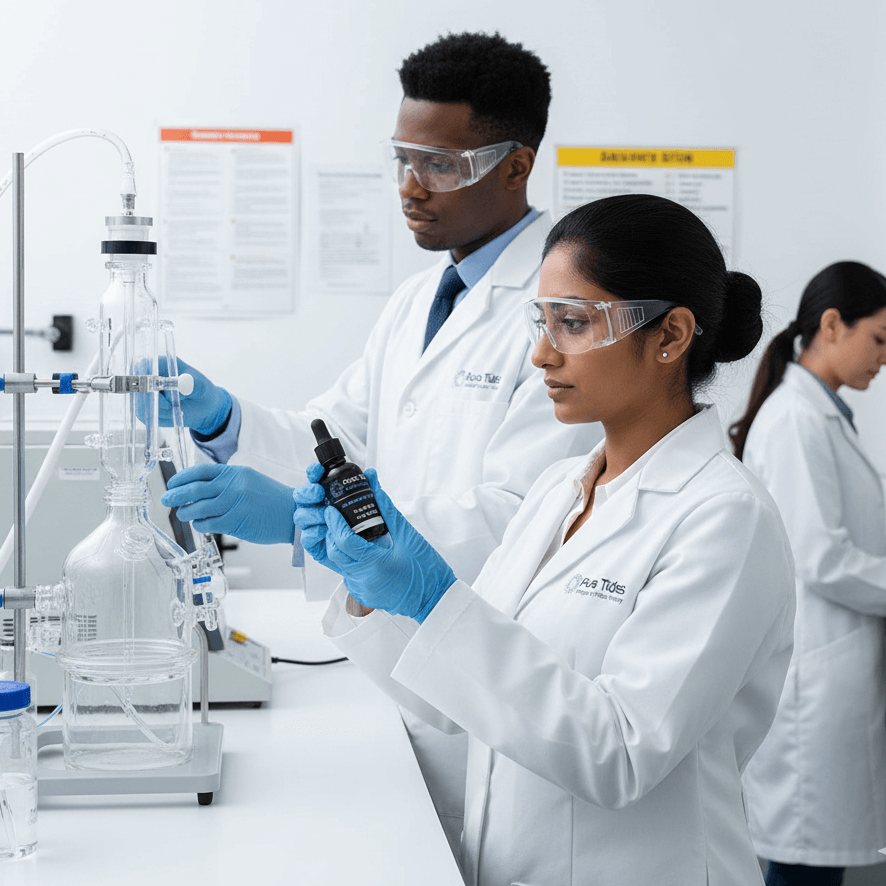
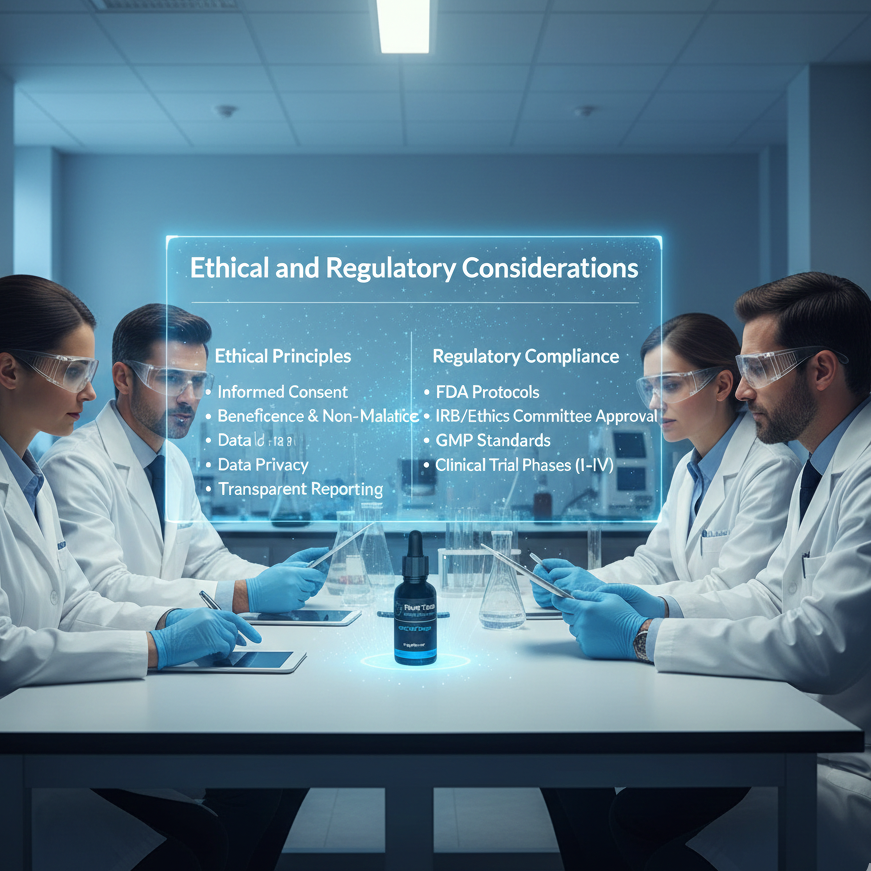
Ethical considerations are central to all research involving recovery peptides. Researchers must ensure that studies are conducted with transparency, scientific integrity, and clear research objectives. Proper documentation, accurate reporting of findings, and avoidance of unsupported claims help maintain credibility and protect the research community from misuse or misinterpretation.
From a regulatory perspective, BPC-157 and TB-500 are research-only materials, not approved as drugs or supplements for humans or animals. Accordingly, compliance with local laws and handling regulations is essential when acquiring these peptides.
Researchers and institutions carry the responsibility for verifying current regulatory requirements and maintaining ethical oversight throughout the research process. Adhering to these considerations supports responsible scientific advancement and public trust.
Safety discussions surrounding recovery peptides focus exclusively on their use within controlled laboratory and preclinical environments. Researchers evaluate safety by observing biological responses in in vitro systems and animal models, paying close attention to cellular viability, molecular markers, and short term exposure effects under defined experimental conditions.
Because long term and large scale data are limited, research protocols emphasize cautious study design and strict adherence to safety guidelines. Laboratories implement standard operating procedures, proper storage, clear labeling, and restricted access to minimize risk and prevent unintended exposure or misuse.
Future research in recovery science is expected to focus on deeper exploration of molecular mechanisms involved in tissue repair and cellular regeneration. Advances in analytical techniques, imaging technologies, and molecular biology tools will allow researchers to study recovery related pathways with greater precision in experimental models.
Moving forward, scientists are alsolikely to expand comparative and synergistic studies to better understand how peptides interact across multiple biological systems. Improved experimental design and standardized protocols may help address current research limitations and improve reproducibility across studies.
As recovery science evolves, ethical oversight and regulatory compliance will remain essential. Continued investigation will rely on responsible research practices and transparent reporting.
Our Pro Recovery Stack is designed to support advanced scientific research by bringing together well studied recovery peptides in a structured, research focused offering. We prioritize consistency, quality control, and clear documentation to help researchers work with reliable materials in controlled experimental environments.
Each component in the stack is prepared and handled according to defined laboratory standards, supporting reproducibility and comparative research across multiple biological pathways. This approach allows researchers to explore complementary mechanisms within a single research framework, without implying outcomes or applications beyond the laboratory.
We are committed to ethical distribution and regulatory awareness. Our Pro Recovery Stack is clearly labeled and intended strictly for research purposes only. It is not approved for human or veterinary use and should be used exclusively within authorized scientific research settings.
What is the Pro Recovery Stack in peptide research?
The Pro Recovery Stack refers to the combined research interest in peptides, such as BPC-157 and TB-500, which are studied for their potential roles in tissue repair and regenerative mechanisms.
What is BPC-157 studied for in research?
BPC-157 is researched for its interaction with cellular signaling pathways related to tissue integrity, inflammation modulation, and regenerative processes.
What is TB-500, and how is it researched?
TB-500 is a synthetic peptide related to thymosin beta-4 and is studied for its role in cell migration, angiogenesis, and tissue regeneration in laboratory models.
Why are BPC-157 and TB-500 often discussed together in research?
Furthermore, researchers explore these peptides together due to their distinct but potentially complementary biological pathways involved in recovery and repair processes.
The study of recovery peptides continues to be an evolving area of scientific interest, offering valuable insight into tissue repair mechanisms, cellular signaling, and regenerative biology within controlled research settings. By examining compounds such as BPC-157, TB-500, and related peptides, researchers can build a deeper understanding of how different biological pathways interact at the molecular level.
A structured Pro Recovery Stack supports this exploration by enabling comparative and synergistic research under consistent laboratory standards. When used responsibly, these research peptides contribute to hypothesis development, experimental modeling, and the advancement of recovery science without overstating conclusions or applications.
Ultimately, progress in recovery peptide research depends on ethical practices, regulatory compliance, and the detailed research intent. All materials discussed are intended strictly for scientific research purposes only and are not approved for human or veterinary use. Responsible research today lays the foundation for better scientific understanding tomorrow.
Explore advanced peptide research with Pure Tides Therapy. Discover in depth insights on BPC-157, TB-500, and beyond, trusted, research only peptides backed by science.
Enjoy FREE shipping on orders over $150. Start your research journey with Pure Tides Therapy today.
BPC-157, TB-500, Recovery peptide research, Peptide science,