Peptide stability remains a critical factor in achieving reliable laboratory results. Many environmental variables can trigger the degradation of these sensitive molecular chains. Researchers must understand the chemical vulnerabilities of their sequences to prevent structural breakdown. Maintaining stability ensures that the peptide performs as expected during experimental trials.
Temperature serves as the primary driver of peptide degradation in a lab. High thermal energy accelerates the vibration of chemical bonds and leads to denaturation. Researchers use refrigeration or cryogenic freezing to slow these kinetic processes significantly. Keeping peptides at sub zero temperatures preserves the secondary structure of the molecule for future research purposes.
Chemical reactions like oxidation and degradation frequently threaten peptide integrity. Exposure to oxygen can damage sequences containing sensitive amino acids like methionine or cysteine. Deamidation often occurs at asparagine or glutamine residues, altering the charge of the molecule. Researchers use inert gases or specific buffers to shield their samples from these common chemical transformations.
The pH level of the research environment directly impacts molecular longevity. Extreme acidity or alkalinity can catalyze the cleavage of peptide bonds and destroy the sample. Scientists utilize precisely calibrated buffers to maintain a neutral or sequence specific pH range. This stability is vital for observing accurate interactions within cellular signaling models.
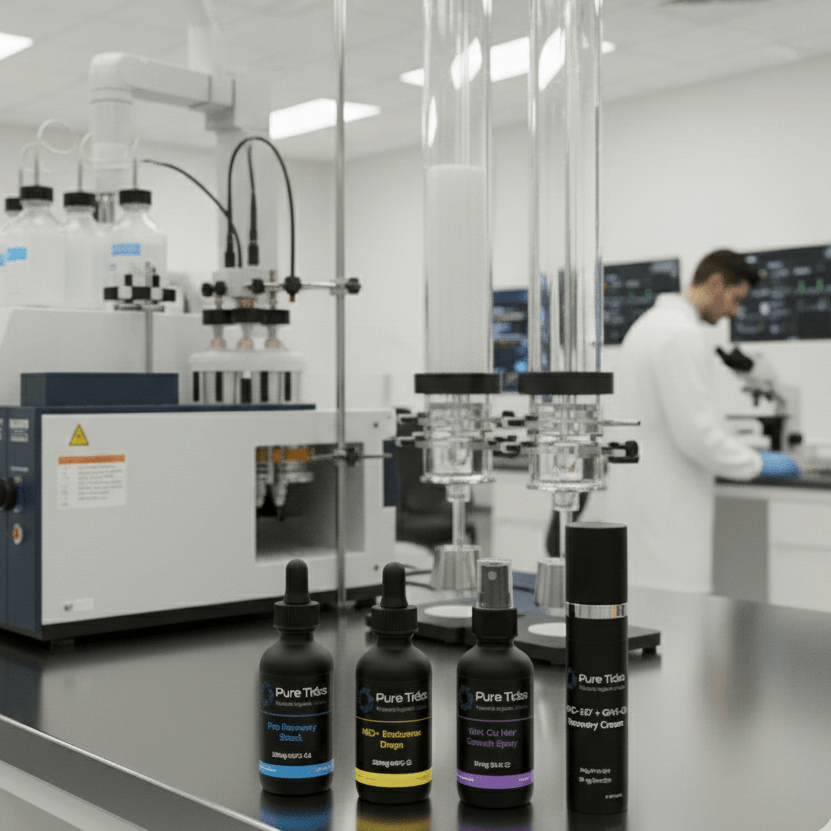
A thorough visual inspection is the first step in any laboratory protocol. Researchers should examine the lyophilized “cake” or powder for its color and consistency. A high quality peptide typically appears as a uniform, white, and fluffy solid. Any discoloration or “clumping” might indicate moisture contamination or degradation during the shipping process.
Next, scientists must review the batch specific documentation provided with the material. The Certificate of Analysis (COA) lists the peptide’s net content and total weight. Researchers differentiate between the gross weight of the powder and the actual weight of the peptide. This distinction is critical for calculating exact concentrations during the reconstitution phase of the study.
Hydrophobicity analysis follows the visual and documentation review. Researchers examine the amino acid sequence to predict how the peptide will behave in different solvents. Sequences with a high proportion of nonpolar residues often require specialized handling. This initial assessment prevents the loss of valuable material due to improper solubility testing.
The choice of solvent determines the success of the entire research model. Researchers must match the solvent to the specific polarity of the peptide sequence. Most hydrophilic peptides dissolve readily in sterile, deionized water or common laboratory buffers. This initial step ensures the molecule remains in its native state for biochemical analysis.
Hydrophobic peptides present a unique challenge in the laboratory. These sequences often refuse to dissolve in water and require organic solvents like DMSO or DMF. Researchers add these solvents dropwise to achieve the highest possible concentration with the lowest amount of organic material. This precision prevents the solvent from interfering with sensitive cellular assays or research purposes.
Final dilution should occur slowly using the intended assay buffer. Rapidly adding a large volume of water to an organic solution can cause the peptide to precipitate out of the liquid. Scientists monitor the clarity of the solution to ensure the peptide remains fully dissolved and bioavailable. Pure Tides recommends these careful steps to maintain the integrity of your experimental data.
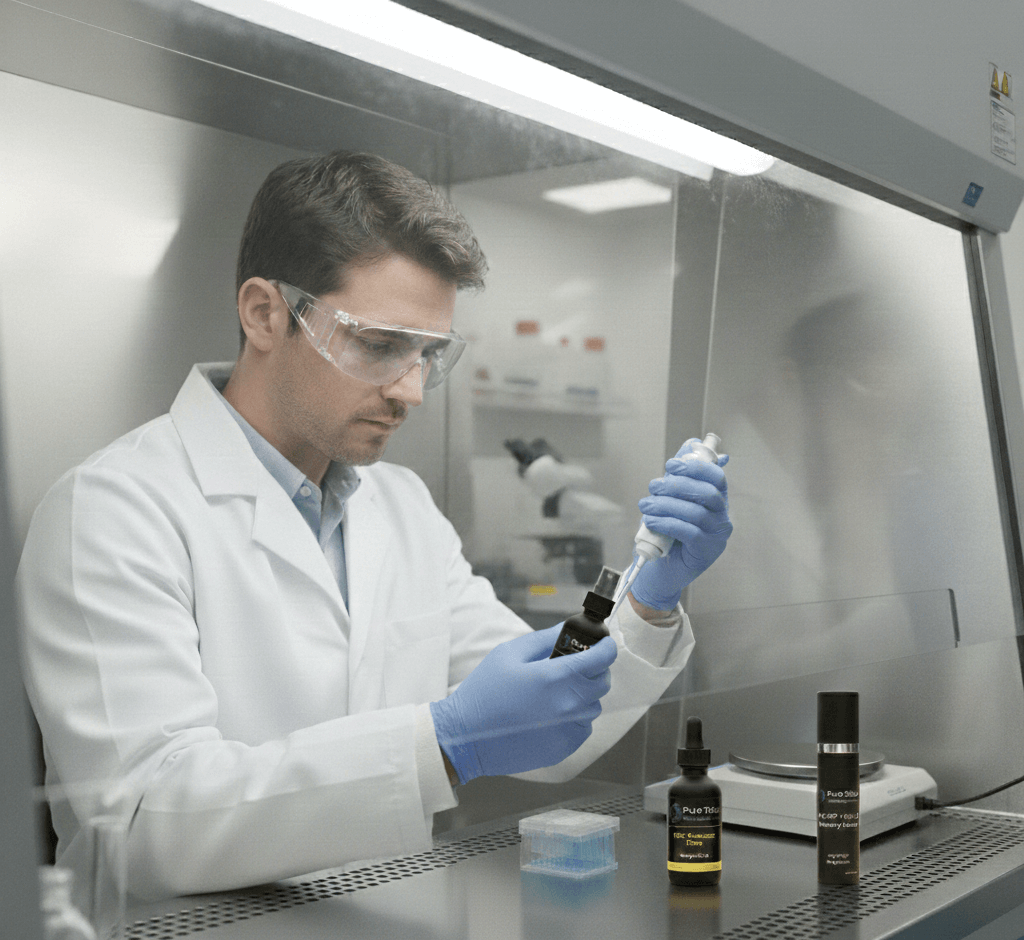
Start by cleaning your workspace with 70% ethanol to maintain a sterile environment. Ensure all solvents and the peptide vial have reached room temperature to prevent condensation. Wear appropriate personal protective equipment, including gloves and goggles, for laboratory safety. Gather all necessary micropipettes and sterile tips before beginning the process.
Apply a small volume of your chosen solvent directly to the lyophilized powder. Use approximately 25% of the total desired volume for this initial stage. Gently swirl the vial rather than shaking it to avoid creating air bubbles or denaturing the peptide. Shaking can cause mechanical stress that breaks delicate molecular bonds in the research sample.
Inspect the solution for complete clarity after the initial mixing. If the solution appears cloudy or contains particulates, add small increments of an alternative solvent. Once the peptide is fully dissolved, add the remaining volume of your primary assay buffer. This gradual approach prevents the peptide from precipitating out of the liquid during the final dilution.
Divide the final solution into single use volumes immediately after reconstitution. Use sterile, polypropylene tubes to prevent the peptide from sticking to the container walls. Label each tube clearly with the concentration, date, and specific batch number. Move these aliquots to a -20°C or -80°C freezer for long term preservation and future research use.
Temperature control serves as the most critical factor in preserving peptide longevity. Most synthetic sequences remain stable for years when stored in a lyophilized state at -20°C. For long term preservation, researchers often utilize ultra low temperature freezers set to -80°C.
Humidity poses a constant threat to the structural integrity of your research material. Lyophilized powders are highly hygroscopic and readily absorb moisture from the surrounding air. This water intake triggers hydrolysis, which cleaves the peptide bonds and renders the sample useless. Scientists use desiccants and vacuum sealed containers to maintain a dry environment during storage.
Light exposure can induce photochemical reactions in sensitive amino acid residues. Peptides containing tryptophan, tyrosine, or phenylalanine are particularly prone to UV induced oxidation. Researchers store these compounds in amber colored vials or wrap them in aluminum foil to block light.
Repeated temperature fluctuations must be avoided at all costs during your study. Every time a vial moves from the freezer to the bench, the resulting condensation can damage the product. Scientists utilize “frost free” freezers with caution, as their internal temperature cycles can compromise sample stability.
Even with high purity substances, improper handling can lead to experimental failure or inconsistent data. Researchers must be vigilant against subtle environmental factors that compromise molecular integrity. Identifying these common pitfalls is the first step toward maintaining a robust research model.
Adding solvent too quickly can create mechanical shear or excessive foaming, which may denature sensitive peptide chains. Always inject the solvent slowly along the side of the vial wall. This allows the liquid to gently hydrate the lyophilized powder, preserving the delicate secondary structures required for your research purposes.
One of the most frequent mistakes in laboratory practice is repeatedly freezing and thawing a stock solution. Each cycle creates ice crystals that can physically shear peptide bonds and cause aggregation. To prevent this, divide your reconstituted peptide into single-use aliquots immediately. This ensures each sample undergoes only one thaw cycle before being used in an experiment.
Opening a cold vial immediately after removing it from the freezer is a critical pitfall. Atmospheric moisture will instantly condense on the cold powder, introducing humidity that leads to rapid hydrolysis. Always allow the vial to reach room temperature in a desiccator for at least 30 minutes before breaking the seal.
At very low concentrations, peptides tend to “stick” to the walls of plastic or glass tubes. This adsorption can significantly reduce the actual concentration of the peptide in your solution, leading to false negative results. Using high quality, low protein binding polypropylene tubes is essential for maintaining accurate dosing in your research.
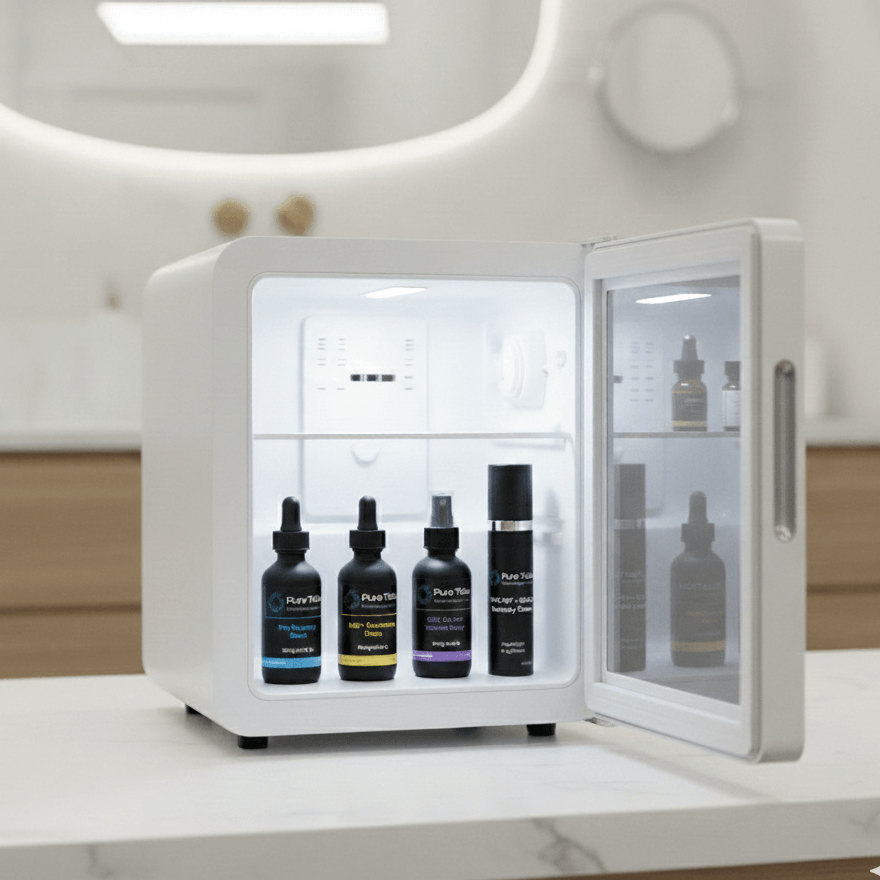
Preserving the long term integrity of synthetic peptides requires a multi layered approach to environmental control. The primary goal is to suspend the chemical kinetics that lead to molecular aging. When stored under ideal conditions, many peptides can remain stable for several years, providing a consistent baseline for ongoing research purposes.
Establishing a rigorous archival system is essential for any laboratory focused on long term discovery models. Lyophilization is the gold standard for stabilizing peptides for extended periods. By removing all traces of water through sublimation, the peptide is transitioned into a “solid state” that is far less reactive than a liquid solution.
To maintain this stability, vials should be stored in a dedicated freezer that is not subject to the frequent door openings of a general use unit. For peptides containing sensitive residues like methionine or cysteine, the headspace of the vial can be flushed with an inert gas, such as argon or nitrogen, to displace oxygen and prevent oxidative degradation during storage.
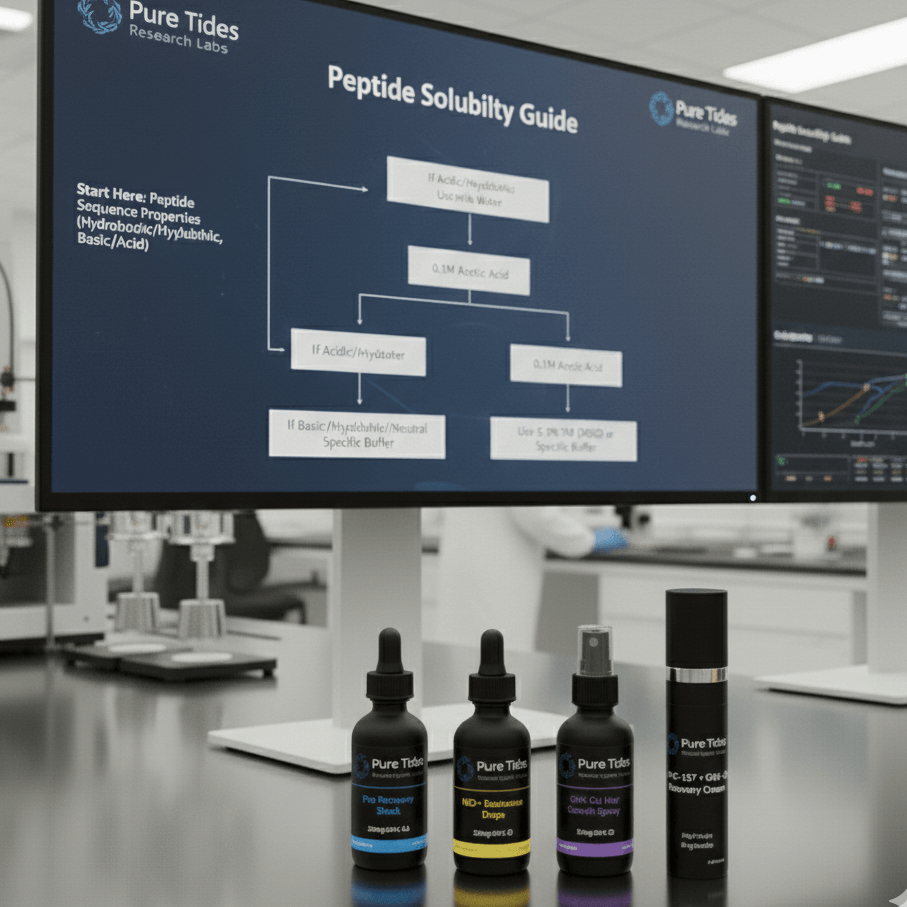
Achieving reproducible results is the hallmark of high quality exploratory research. When handling complex molecules like peptides, even minor deviations in preparation can lead to significant variance in data. Implementing standardized operating procedures (SOPs) ensures that every trial conducted within the laboratory is comparable, allowing researchers to draw accurate conclusions from their models.
Consistency begins with the uniform treatment of every vial, from the moment it arrives until it is utilized in a research application. A primary standard for consistency is the use of calibrated equipment and certified reagents. Every micropipette used for reconstitution must be regularly serviced to ensure that volumes remain precise across different experiments.
Furthermore, the water or buffer used for dissolution should be of the highest analytical grade (Milli-Q or equivalent) to avoid introducing trace metal ions that could catalyze peptide degradation. By standardizing these variables, laboratory teams eliminate external factors that could skew the biochemical profile of the study. Intersessional consistency also relies on a “master batch” approach to aliquoting.
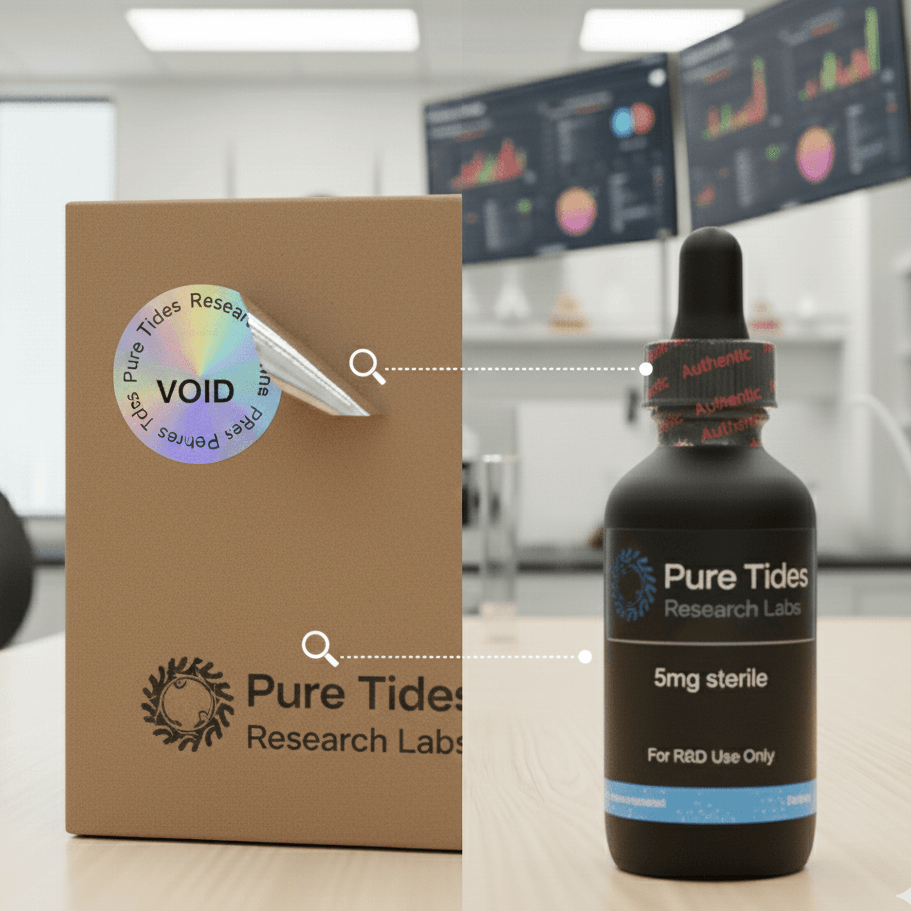
Researchers demand the highest level of chemical integrity for their studies. We prioritize purity at every stage of the manufacturing process to ensure that your laboratory results are never compromised by synthetic impurities.
We understand that the validity of your research depends on the quality of your materials. Every peptide batch we produce undergoes rigorous testing via High Performance Liquid Chromatography (HPLC) and Mass Spectrometry (MS). These comprehensive reports are provided with every order, allowing scientists to verify the molecular identity and purity levels (minimum 98%) before beginning their work.
Consistency is a core promise to the scientific community. We maintain strict standardized protocols to ensure reproducibility across different lots. This stability is vital for long term research purposes, where maintaining a consistent baseline is necessary for generating publishable data. When you choose Pure Tides, you are choosing a partner dedicated to the reliability of your experimental models.
Q.What is the confirmed purity level of your research peptides?
Every batch undergoes rigorous analytical testing to ensure a minimum purity of 98%. We provide a Certificate of Analysis (COA) containing HPLC and mass spectrometry data with every order. This documentation allows researchers to verify the molecular identity and purity required for precise laboratory modeling and chemical analysis.
Q.How should these compounds be stored to maintain research integrity?
For long term stability, lyophilized peptides should be stored at -20°C or -80°C in a dry environment. Once reconstituted into a liquid state, the solution should be divided into single-use aliquots and kept frozen to avoid repeated freeze thaw cycles. Proper storage is essential to prevent the degradation of amino acid sequences during the course of your study.
Pure Tides is dedicated to advancing scientific discovery by providing the high purity materials essential for rigorous laboratory investigation. Our commitment to 98% purity, verified through HPLC and mass spectrometry, ensures that researchers can rely on our compounds for accurate and reproducible results. By eliminating chemical inconsistencies, we empower scientists to focus on the complexities of their research models with absolute confidence in their primary tools.
The success of modern biochemical research depends on the stability and integrity of synthetic sequences. We fulfill this need by utilizing advanced lyophilization techniques and standardized manufacturing protocols that protect every vial from degradation. Our products serve as reliable catalysts for exploring cellular pathways and molecular interactions, providing the stability required for both short term assays and long term research purposes.
We are committed to supporting the global scientific community by providing the high purity peptides necessary for rigorous investigation. Our team ensures that every shipment meets the exact specifications required for your laboratory research. Secure the materials you need to maintain the integrity and reproducibility of your experimental data.
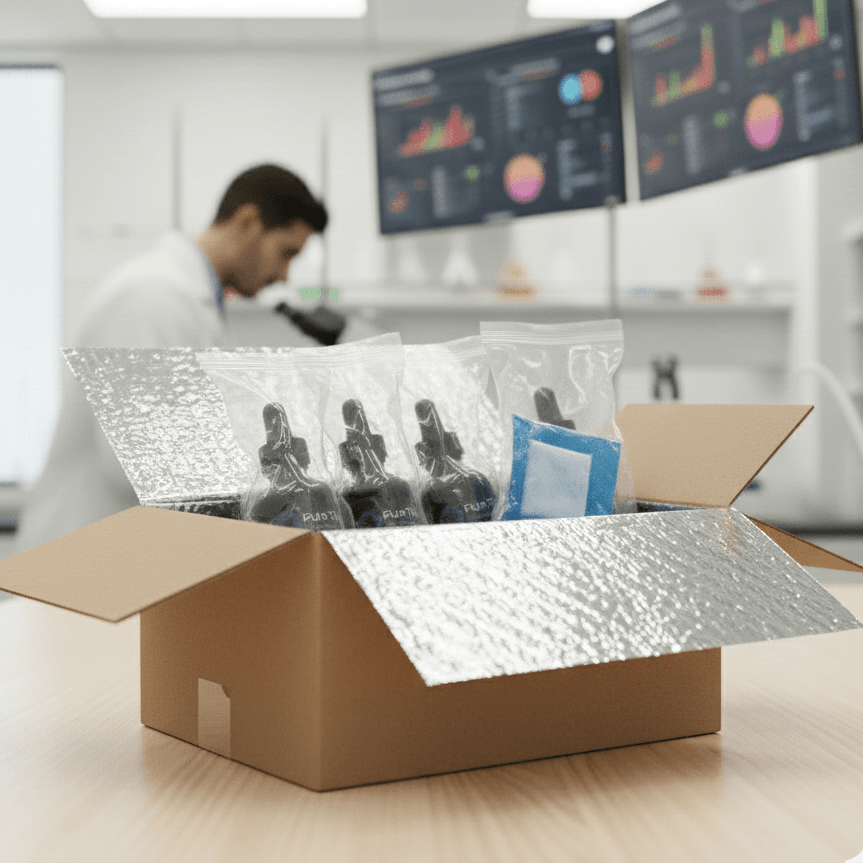
Maximize your research budget by taking advantage of our complimentary shipping offer on all orders exceeding $150. Every peptide is shipped in a stabilized, lyophilized state within protective packaging to ensure it arrives ready for immediate laboratory use.
ResearchPeptides, PeptideStability,
Laboratory Protocols, Biochemical Research, Peptide Synthesis