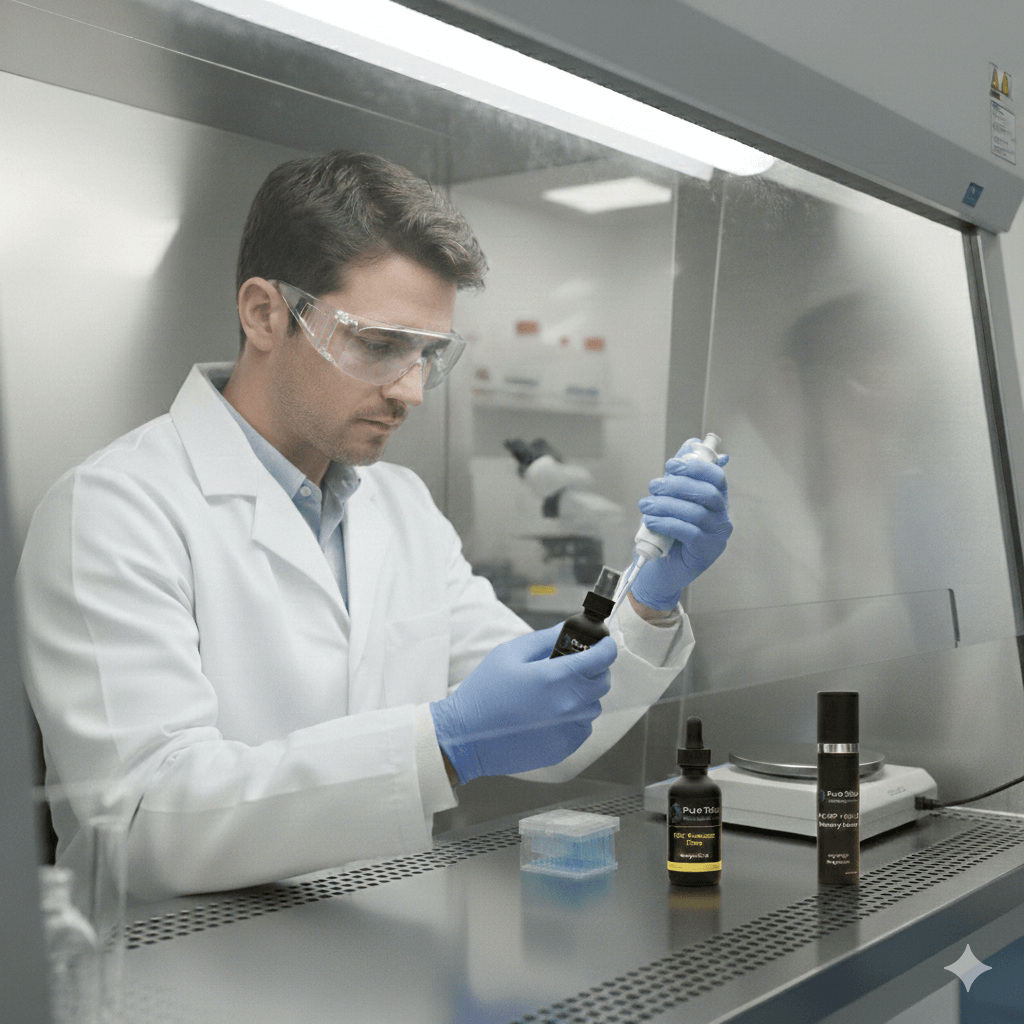
High fidelity peptide studies require absolute precision to ensure the integrity of biochemical data. Researchers must verify the primary structure of each compound to prevent “off target” effects during cellular analysis. Consequently, establishing a rigorous baseline for sequence identity remains the first step in any credible laboratory investigation.
Furthermore, the molecular weight and purity of a peptide directly influence its signaling efficacy. If the sequence deviates from the intended design, the resulting data fails to reflect true biological interactions. Thus, sequence verification serves as a fundamental requirement for reproducible research rather than a mere preference.
Specifically, this analysis examines how analytical techniques confirm that a peptide remains stable within a controlled environment. Accordingly, investigators can proceed with confidence, knowing their molecular tools match their theoretical models. This proactive approach eliminates variables that often lead to inconsistent findings in tissue repair signaling studies.
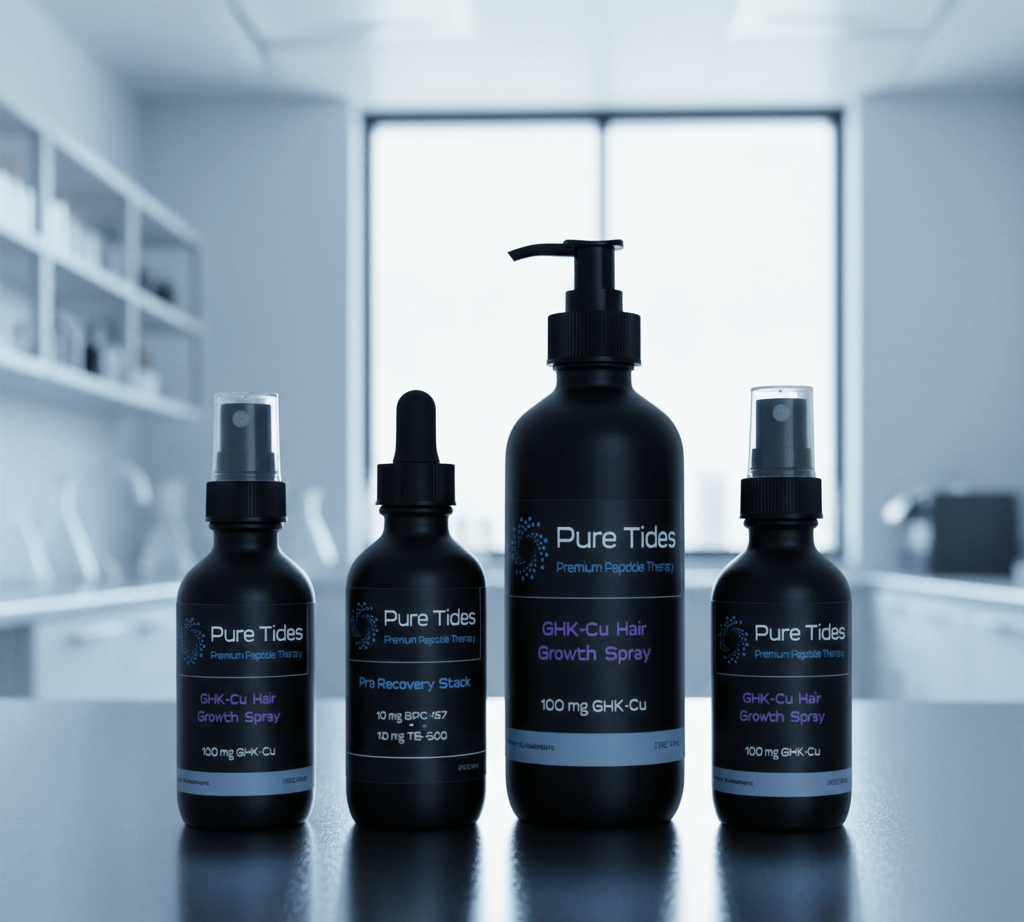
The primary structure of a peptide determines its final three dimensional conformation and biological utility. Specifically, the specific order of amino acids dictates how the molecule folds and interacts with other proteins within a laboratory model. Consequently, any deviation in the sequence, even a single substitution, can completely neutralize the intended function of the compound.
Furthermore, the chemical properties of side chains, such as hydrophobicity and charge, rely entirely on correct sequencing. Accordingly, a verified GHK-Cu sequence ensures that the copper(II) ion binds correctly to the tripeptide carrier. Thus, maintaining sequence fidelity is the only way to guarantee that the peptide behaves predictably during biochemical assays.
Moreover, researchers must account for how sequence errors create “noise” in experimental data. Subsequently, using an unverified peptide may lead to observations that stem from impurities rather than the target molecule itself. Hence, rigorous sequence analysis remains the most reliable method to align a peptide’s chemical identity with its intended research function.
Peptide receptor interactions operate through a precise “lock and key” mechanism that requires absolute molecular accuracy. Specifically, the receptor site on a cell membrane recognizes the unique charge and shape of a verified peptide sequence to initiate a response. Consequently, even a minor sequence error prevents the peptide from docking correctly, which halts the intended signaling process in the research model.
Furthermore, incorrect sequences can trigger “off target” signaling that produces misleading experimental results. Accordingly, a researcher might observe cellular changes that do not stem from the target compound, thereby compromising the validity of the tissue repair study. Thus, sequence verification ensures that the observed biochemical activity correlates exclusively with the specific peptide under investigation.
Moreover, high fidelity signaling research relies on the consistent activation of intracellular pathways over multiple trials. Subsequently, utilizing verified peptides eliminates the risk of variable signaling responses caused by batch to batch sequence variations. Hence, maintaining strict sequence fidelity remains the only way to map complex signaling networks with scientific certainty.
Biochemical research into tissue repair requires stable molecular signaling to yield accurate, reproducible data. Specifically, the researcher must ensure the peptide sequence remains intact to facilitate the specific pathways involved in extracellular matrix remodeling. Consequently, utilizing a verified compound prevents the introduction of uncontrolled variables that could skew the analysis of cell migration or protein synthesis.
Furthermore, the presence of shortened or incorrect sequences can inhibit the native repair mechanisms being observed in the laboratory model. Accordingly, a precise tripeptide sequence is necessary to maintain the high fidelity signaling required for deep tissue analysis. Thus, ensuring the integrity of the peptide sequence directly protects the scientific validity of the entire repair study.
Moreover, consistent experimental outcomes rely on the peptide’s ability to stimulate targeted growth factors without interference from impurities. Subsequently, investigators use sequence verification to confirm that the observed biological recovery stems solely from the intended molecular interaction. Hence, maintaining sequence fidelity remains a non negotiable standard for any study focused on the complexities of biochemical tissue repair.
Analytical chemistry provides the essential tools required to confirm the molecular identity and purity of research peptides. Specifically, mass spectrometry allows investigators to determine the exact mass to charge ratio, ensuring the sample matches the theoretical weight of the target sequence.
Consequently, this method identifies any hidden deletion sequences or residual impurities that could compromise biochemical signaling data. Furthermore, High Performance Liquid Chromatography (HPLC) serves as a secondary verification step by separating the peptide from synthetic byproducts.
Accordingly, this process establishes the quantitative purity of the sample, which is vital for maintaining high fidelity standards in laboratory models. Thus, the combination of mass spectrometry and HPLC creates a robust framework for validating the compounds used in sensitive research applications.
Moreover, advanced laboratories often utilize Edman degradation or combined MS/MS to map the precise order of amino acids within the chain. Subsequently, these techniques reveal even the most subtle sequence errors that standard testing might overlook. Hence, implementing these rigorous verification methods remains the most effective way to ensure that the molecular tools used in tissue repair studies are structurally flawless.
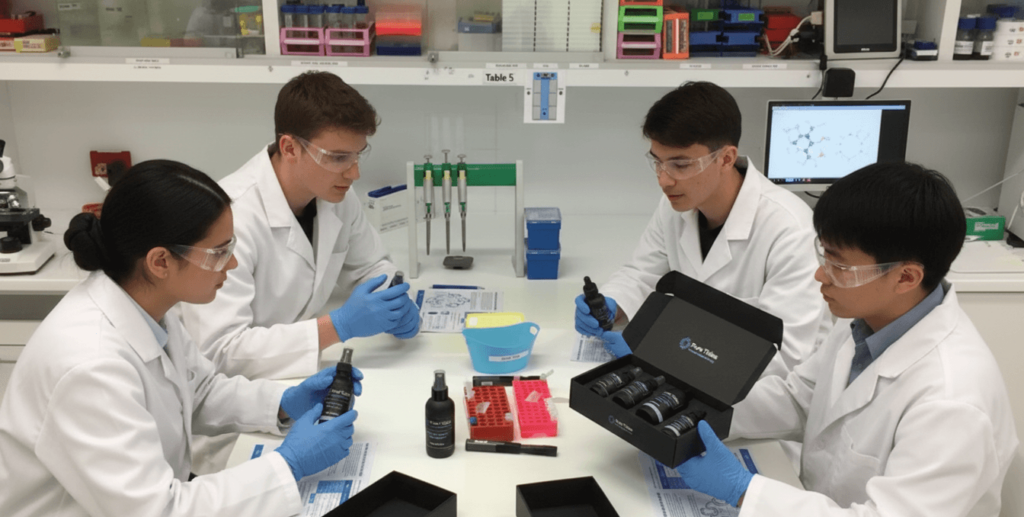
Maintaining high fidelity data reproducibility depends entirely on the consistency of the molecular tools utilized across different laboratory trials. Specifically, researchers must work with identical peptide sequences to ensure that results from one study can be accurately replicated by others in the field.
Consequently, sequence verification acts as the primary safeguard against the “reproducibility crisis” that often plagues complex biochemical research. Furthermore, even minor variations in peptide synthesis can lead to conflicting data sets between separate research institutions.
Accordingly, establishing a standardized requirement for mass spectrometry and HPLC verification allows for a universal baseline of molecular identity. Thus, strict adherence to these quality standards ensures that observations regarding cell signaling or tissue repair remain statistically significant over time.
Moreover, scientific evaluated journals increasingly demand proof of compound purity and sequence fidelity to validate submitted findings.
Subsequently, documenting these verification methods within the experimental protocol strengthens the credibility of the research and its subsequent publication. Hence, prioritizing sequence accuracy is essential for advancing the collective understanding of peptide driven biochemical mechanisms.
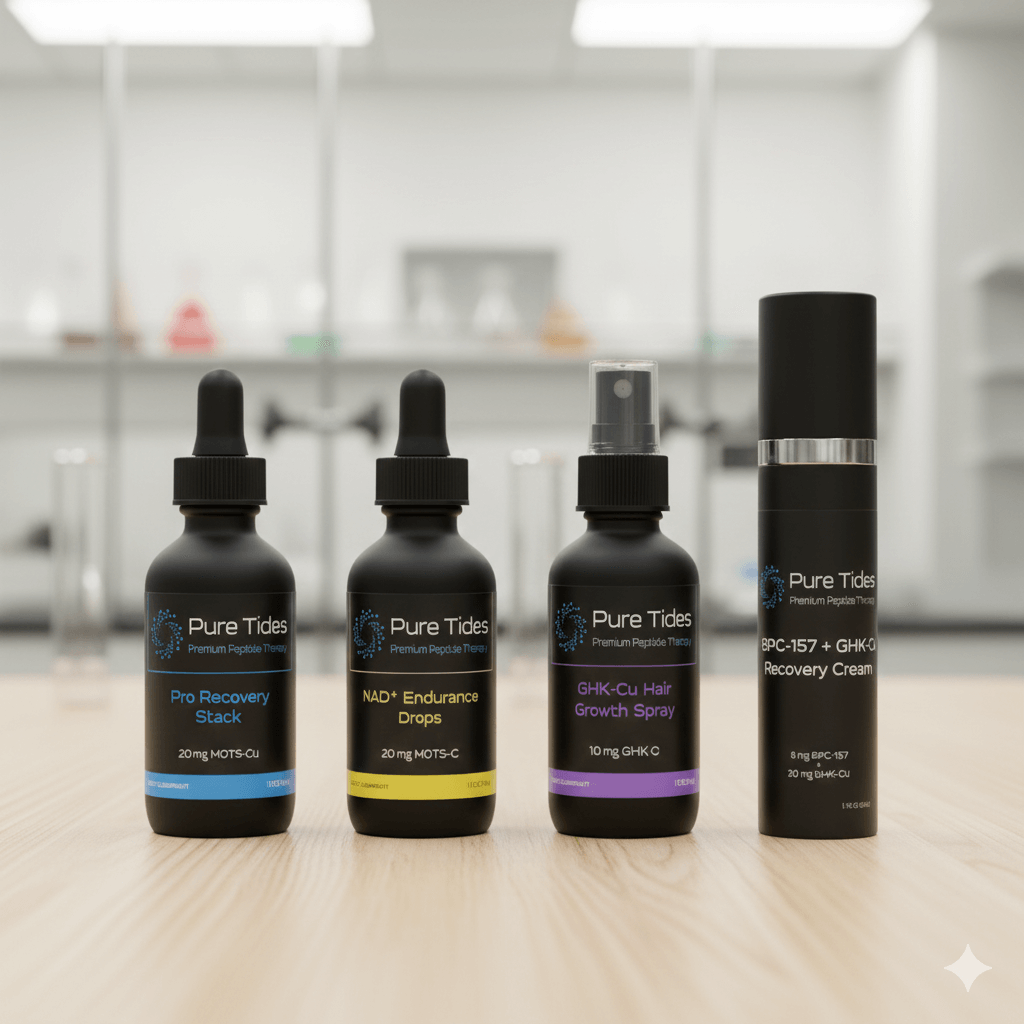
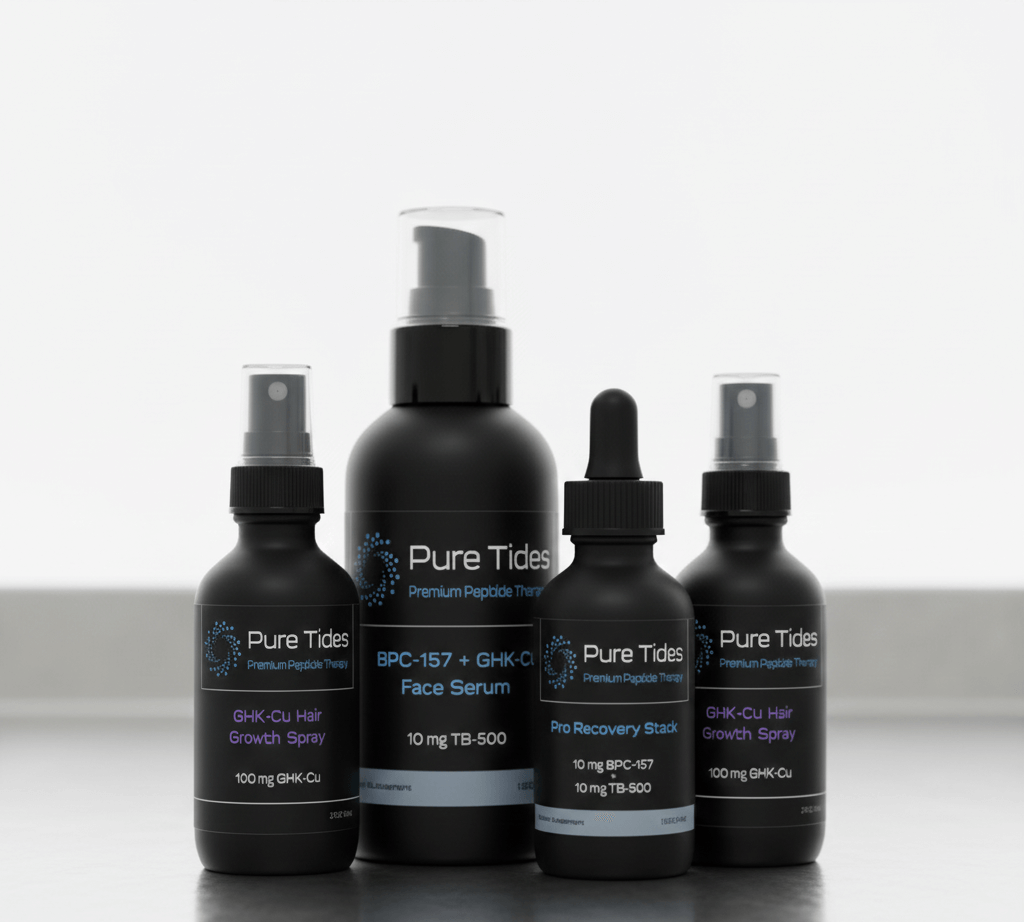
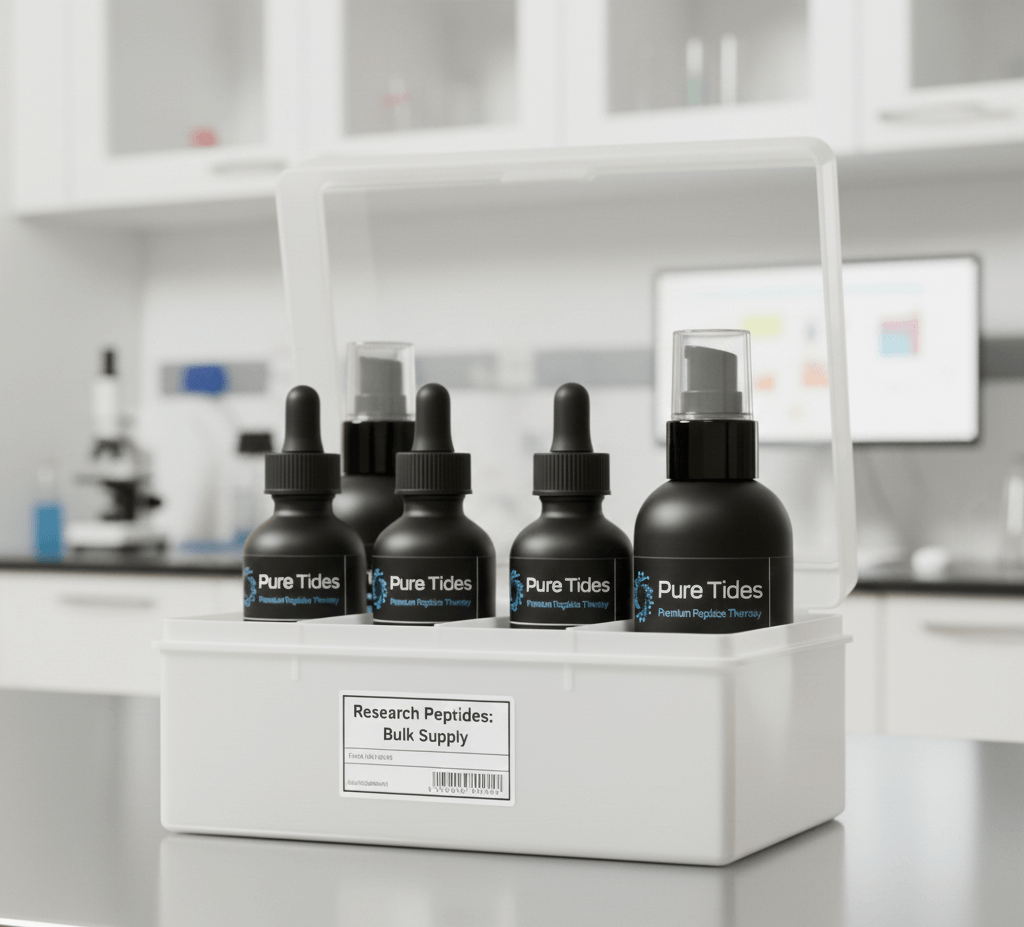
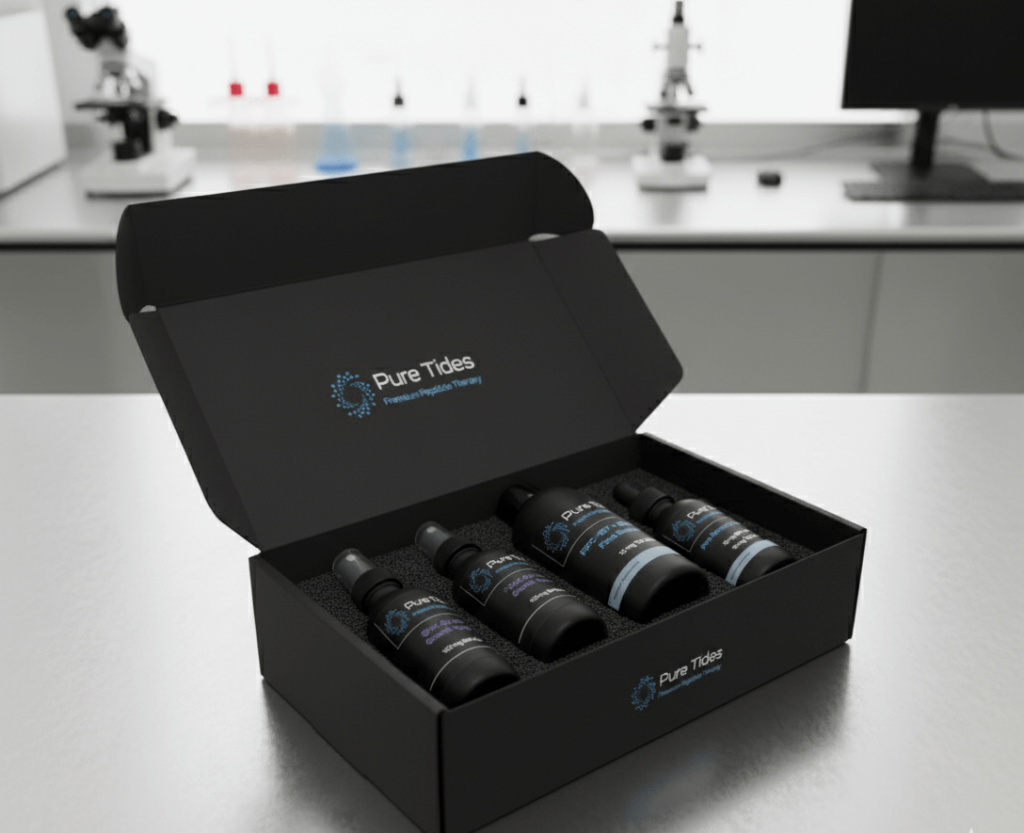
Selecting a reliable source for biochemical compounds is a critical decision that determines the success of any laboratory study. Specifically, Pure Tides provides researchers with only research based peptides that meet the highest standards of analytical purity and sequence fidelity.
Consequently, investigators can focus on mapping complex signaling pathways without the interference of synthetic impurities or unverified molecular structures. Furthermore, the commitment to high fidelity documentation ensures that every compound arrives with a comprehensive Certificate of Analysis (COA).
Accordingly, laboratories receive a transparent record of the mass spectrometry and HPLC data required to validate the identity of their research tools. Thus, choosing this source eliminates the guesswork often associated with sourcing peptides for sensitive tissue repair models. Specifically, our peptides are for research purposes only.
Moreover, the focus on specialized stabilization techniques prevents the degradation of delicate signaling molecules during transit. Subsequently, the peptides maintain their structural integrity from the synthesis phase to the final laboratory assay. Hence, Pure Tides serves as a dedicated partner for research purposes, ensuring that every experiment rests on a foundation of chemical accuracy and reliable data.
Q. What is the difference between peptide purity and sequence verification?
Peptide purity, typically measured via HPLC, indicates the percentage of the sample that consists of the target molecule versus synthetic byproducts. In contrast, sequence verification uses mass spectrometry to confirm that the amino acids are arranged in the exact intended order.
Q. Why is mass spectrometry the standard for verifying research peptides?
Mass spectrometry provides a precise measurement of the molecular weight of the compound down to the atomic level. Accordingly, if a peptide like GHK-Cu does not match its theoretical mass, investigators can immediately identify the presence of a sequence error. Hence, this method remains the most reliable safeguard for maintaining data integrity in tissue repair models.
The search of scientific discovery requires a foundation of absolute molecular accuracy and structural integrity. Specifically, sequence verification stands as the essential bridge between theoretical design and successful biochemical experimentation.
Consequently, prioritizing these rigorous analytical standards ensures that every observation in cell signaling and tissue repair reflects the true potential of the molecule under investigation. Furthermore, the commitment to high fidelity verification eliminates the variables that lead to the reproducibility crisis in modern laboratories.
Accordingly, investigators who utilize verified compounds can publish their findings with total confidence in their underlying data. Thus, maintaining these strict quality controls protects the long term credibility of both the individual researcher and the broader scientific community.
Moreover, the evolution of peptide based research demands a move toward complete transparency in molecular sourcing. Subsequently, choosing compounds that have undergone extensive mass spectrometry and HPLC analysis remains the most effective way to advance the field of peptidomics. Hence, sequence fidelity is not merely a technical detail; it is the definitive standard for excellence in all research purposes.
Ensure the success of your next study by utilizing peptides that meet the highest benchmarks for sequence fidelity and analytical purity. Specifically, choosing high fidelity compounds allows you to focus on gathering accurate data without the risk of molecular inconsistencies. Consequently, you can proceed with your biochemical assays knowing your materials are verified for research purposes.
Furthermore, we support your laboratory’s efficiency by offering free shipping on all orders over $150. Accordingly, you can secure the necessary volume of verified peptides while optimizing your research budget. Thus, our streamlined sourcing process allows you to maintain consistent workflows without unnecessary overhead costs. Additionally, our peptides are for research purposes only.
Moreover, every order includes the comprehensive documentation required to validate your experimental integrity. Subsequently, you will receive the precise molecular tools needed to drive your tissue repair and signaling studies forward. Hence, now is the ideal time to upgrade your laboratory supplies and take advantage of our complimentary shipping on qualifying orders.
Biochemical Research, Peptide Synthesis
Sequence Verification, Cell Signaling