
Researchers observe that the GHK tripeptide exhibits an extraordinary affinity for copper (II) ions within in vitro laboratory environments. Specifically, the molecule utilizes its nitrogen rich glycine and histidine residues to sequester these metal ions into a stable complex.
This precise separation process prevents the formation of reactive oxygen species. Due to the simultaneous preparation of the copper for efficient transport across cellular membranes in research samples.
Furthermore, scientists utilize advanced genetic databases to analyze how the GHK-Cu complex alters the transcriptional landscape of isolated cells. This analysis reveals that the peptide modulates the expression of genes, effectively shifting the genetic profile of experimental assays. Consequently, these findings demonstrate that the molecule acts as a powerful epigenetic modifier within a controlled laboratory setting.
Ultimately, the introduction of GHK-Cu into samples initiates a series of intracellular signals that significantly boost the production of proteins. By activating specific pathways, the complex upregulates the mRNA responsible for collagen and elastin synthesis. Therefore, these studies confirm that GHK-Cu serves as a vital communication link between the chemical environment and the genetic machinery.
Scientists utilize the Broad Institute’s Connectivity Map (cMap) to analyze how GHK-Cu influences the transcriptional landscape of isolated cell cultures. This advanced computational database allows researchers to compare the genetic “signature” of various molecules against thousands of known disease profiles.
Consequently, GHK-Cu significantly modulates the expression of approximately 31.2% of the genome, resetting the activity of over 4,000 genes in research samples to a state more characteristic of young, healthy tissues.
Furthermore, these findings highlight GHK-Cu as a uniquely powerful modifier of specific genetic pathways in laboratory assays. For instance, the peptide reverses the expression of 70% of the genes associated with aggressive dissemination in cancer cell research lines.
By suppressing pro inflammatory signals and upregulating DNA repair genes, the molecule demonstrates an active role in restoring cellular homeostasis. Ultimately, this broad spectrum genetic modulation explains why the peptide influences so many diverse biological processes in molecular research.
Transitional changes observed in the cMap data correspond directly with increased synthesis of regenerative proteins. Therefore, the Connectivity Map serves as a vital bridge, helping researchers connect the chemical presence of GHK-Cu to its profound “communication” with the cellular genome.
Researchers observe that GHK-Cu significantly enhances the transcription of specific mRNA sequences. Specifically, the introduction of the complex into laboratory assays triggers a marked increase in the expression of genes, which govern collagen production, and ELN, the gene for elastin.
Consequently, these genetic shifts lead to a measurable rise in the synthesis of the extracellular matrix within experimental samples, demonstrating a direct link between peptide exposure and protein manufacturing.
Furthermore, the peptide actively upregulates critical antioxidant defense genes to protect isolated research samples from oxidative stress. Laboratory data show a significant boost in the mRNA levels for SOD1 and GPX1, enzymes that neutralize damaging free radicals. By increasing the expression of these protective markers, GHK-Cu helps maintain cellular stability. Aditionally, prevents DNA damage within controlled test environments, even when researchers introduce oxidative stressors.
Ultimately, these gene specific profiles reveal that GHK-Cu acts as a comprehensive “switch” for regenerative. In addition to structural genes, the complex stimulates the expression of p63 and integrins, which are essential markers for maintaining the vitality of stem cells.
Therefore, analyzing these targeted upregulation patterns allows scientists to map the precise molecular communication that occurs when GHK-Cu interacts with the cellular genome.
Scientists observe that GHK-Cu significantly suppresses the activation of pro inflammatory pathways within in vitro laboratory samples. Specifically, the peptide inhibits the nuclear translocation. By blocking this signaling process in research assays, the complex prevents the transcription of genes.
Consequently, these experimental environments show a marked decrease in the levels of interleukin-6 and tumor necrosis factor alpha. Furthermore, the molecule effectively modulates stress responsive signaling pathways in cultured cell lines. This interaction further dampens the inflammatory signal by reducing the activity of proteins that typically respond to cellular distress.
As a result, laboratory samples treated with GHK-Cu exhibit a more stable state even when researchers introduce aggressive triggers. Such modulation ensures that the test environment remains conducive to regenerative rather than destructive biological processes.
Ultimately, this targeted suppression allows researchers to investigate the restoration of cellular homeostasis in isolated samples. By downregulating acute phase inflammatory genes, GHK-Cu shifts the genetic expression profile away from stress. Therefore, these studies confirm that GHK-Cu serves as a vital tool for controlling inflammatory signaling in molecular biology research.
Researchers observe that GHK-Cu significantly enhances the expression of vital stem cell markers within in vitro laboratory samples. Specifically, the peptide upregulates the transcription of a primary regulator of proliferation and survival in basal keratinocyte cultures.
By increasing the levels of this transcription factor, the complex helps maintain the “stemness,” or regenerative potential, of the cells. Consequently, these experimental environments demonstrate a higher capacity for cellular renewal and longevity compared to untreated controls.
Furthermore, the molecule actively promotes the synthesis of specific integrins and laminins within isolated cell cultures. These proteins facilitate the attachment of cells to the membrane, which scientists identify as a critical requirement for cellular health.
As a result, the introduction of GHK-Cu ensures that laboratory samples preserve their structural integrity and signaling efficacy. This modulation prevents the premature differentiation that often occurs during the prolonged cultivation of stem cell research lines.
Ultimately, these findings highlight GHK-Cu as a sophisticated tool for studying cellular vitality in molecular biology research. By influencing the genetic markers, the peptide allows scientists to observe tissue maintenance at a foundational level.
Therefore, the use of GHK-Cu in samples provides a clearer understanding of how targeted signaling can sustain the regenerative activity.

Researchers prioritize proper handling to maintain the structural integrity and biological activity of GHK-Cu in in vitro environments. Specifically, they store the lyophilized powder in a desiccated state at -20°C and protect it from light using amber vials.
This rigorous storage protocol ensures that the peptide remains stable for 12 to 24 months before use in experimental assays. Consequently, maintaining these conditions prevents premature degradation and ensures consistent results across different research samples.
Furthermore, the reconstitution process requires precise aseptic techniques to prepare the peptide for test environments. Scientists typically utilize bacteriostatic water or sterile saline as the primary solvent, adding it slowly against the side of the vial to avoid foaming.
Gently swirling the vial rather than shaking it allows the powder to dissolve into a clear, pale blue solution characteristic of the copper complex. As a result, this careful preparation preserves the high affinity of the GHK-Cu bond, which is essential for accurate genomic signaling observations.
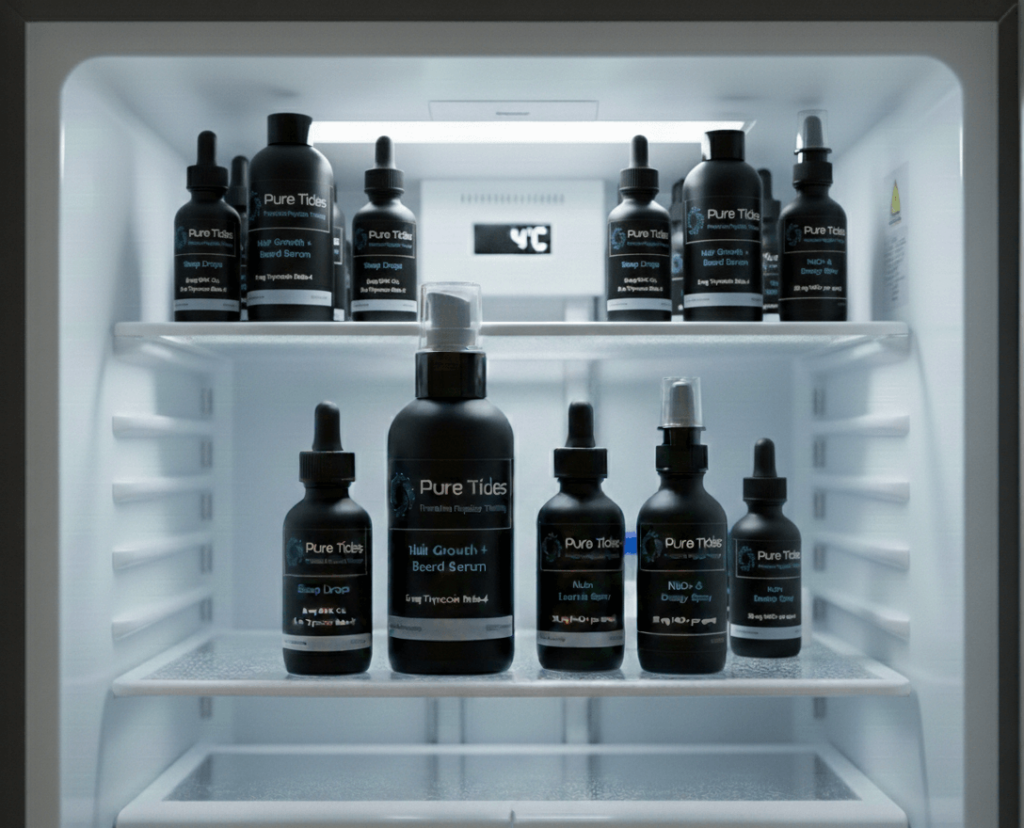
Ultimately, researchers must monitor the pH and shelf life of the reconstituted solution to prevent copper dissociation in laboratory samples. Maintaining a pH range between 7.0 and 8.0 ensures the stability of the complex, as acidic conditions can cause the copper ions to separate from the peptide carrier. Once liquefied, the solution requires refrigeration at 2–8°C and is generally utilized within three to four weeks. Therefore, following these standardized protocols allows for the reliable investigation of how GHK-Cu influences gene expression in molecular biology research.
Scientists are currently expanding their investigation into how GHK-Cu can be used to reverse advanced cellular senescence within in vitro research models. Specifically, new studies utilize rapid sequencing to determine if the peptide can permanently “silence” age associated secretory phenotypes (SASP) in isolated cell lines.
By observing these changes in a controlled laboratory setting, researchers aim to map the exact epigenetic modifications, such as histone acetylation, that allow GHK-Cu to restore youthful gene expression patterns. Furthermore, the integration of artificial intelligence and molecular docking is revolutionizing how researchers predict GHK-Cu’s interactions with “undruggable” genomic targets.
These computational tools allow for the rapid screening of thousands of experimental assays to identify novel pathways where the peptide might suppress metastatic gene signatures. Consequently, this technology streamlines the discovery of how the copper peptide complex can selectively influence mRNA synthesis without affecting non target DNA sequences in laboratory samples.
Ultimately, the future of this research lies in developing advanced delivery systems, such as nanocarriers and liposomes, to enhance the stability of GHK-Cu during complex genomic experiments. By protecting the peptide from enzymatic degradation within test environments, scientists can conduct longer-term longitudinal studies on cellular regeneration.
Therefore, these ongoing advancements ensure that GHK-Cu remains a cornerstone molecule for understanding the intersection of copper homeostasis and genetic signaling in molecular biology research.
Researchers choose specialized suppliers to ensure that the GHK-Cu peptide meets a minimum purity standard. High purity samples are essential for sensitive transcriptomic profiling and in vitro assays, as even trace impurities or residual solvents can interfere with cellular signaling and lead to “noisy” or unreliable data.
For specialized copper binding research, the GHK-Cu complex must be prepared in the correct 1:1 molar ratio. Professional suppliers ensure that the copper (II) ions are properly chelated, creating a stable, deep blue complex ready for immediate use in molecular biology research.
This level of precision is necessary because an imbalance of free copper or uncomplexed GHK can alter the oxidative stress levels and gene expression patterns of the research samples, compromising the experimental results.
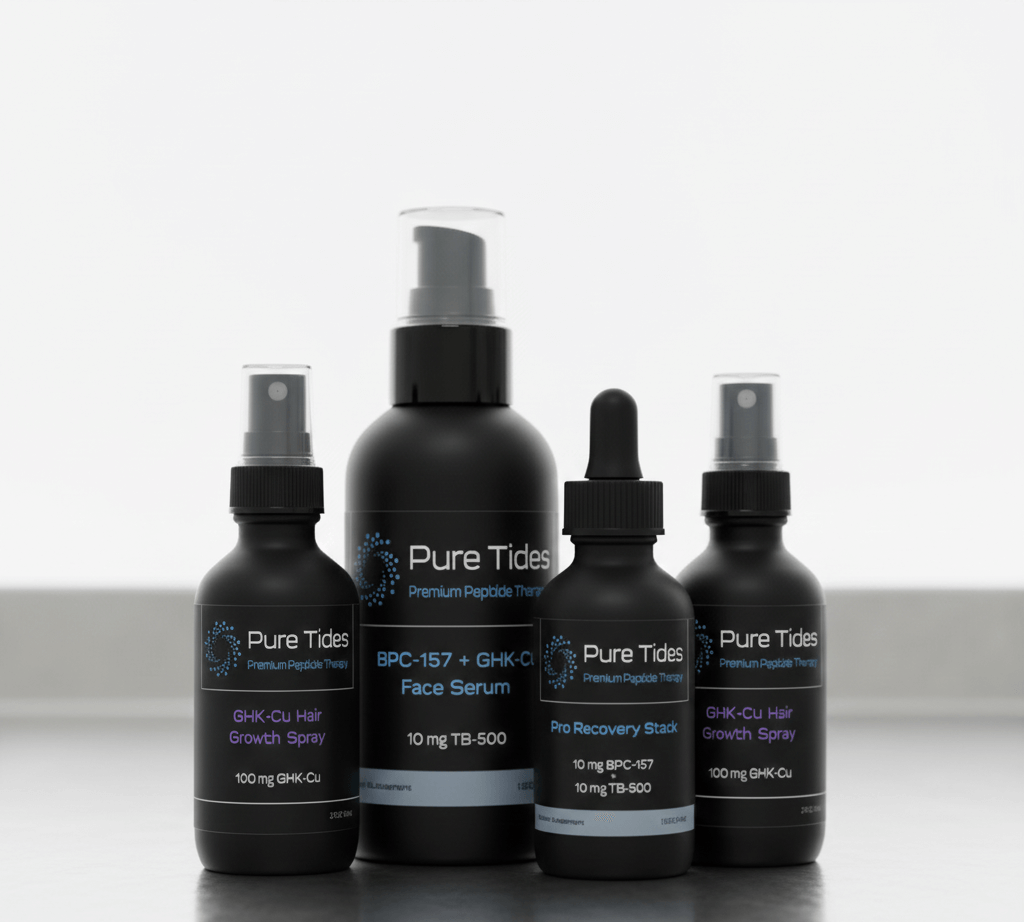
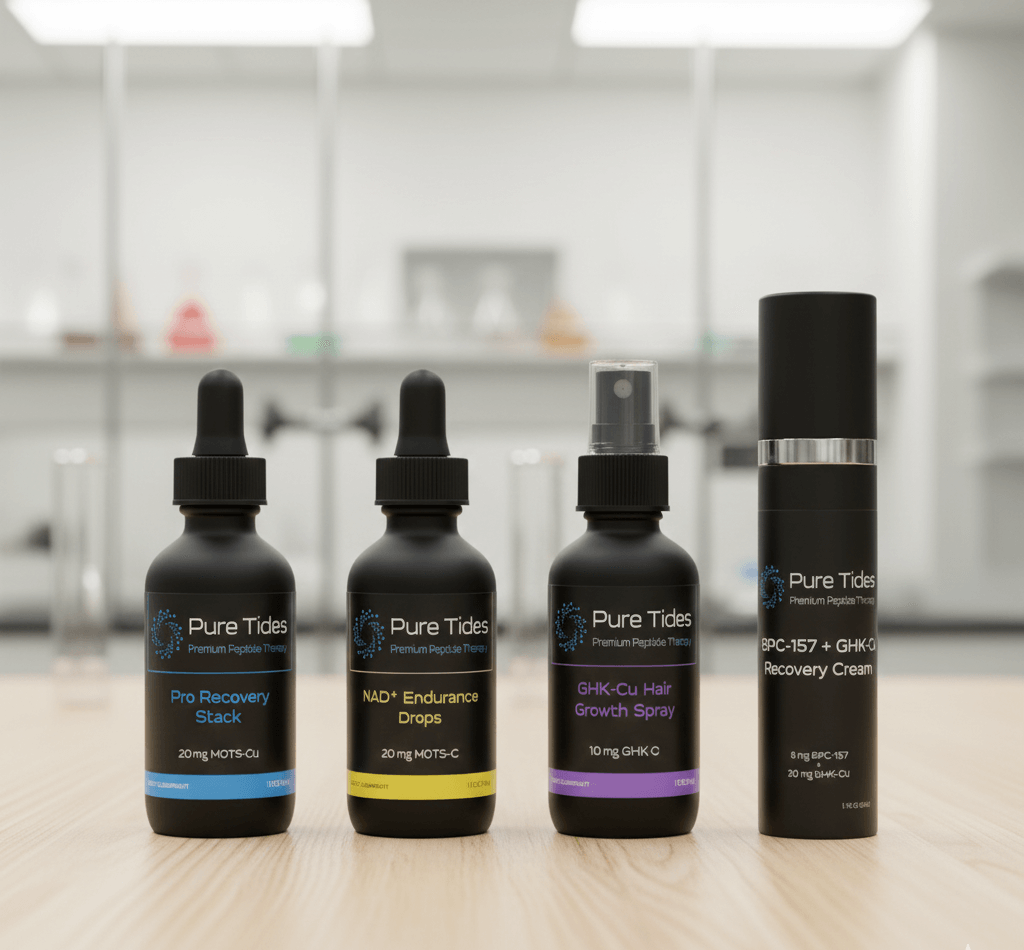
Pure Tides provides peptides in a sterile, lyophilized (freeze-dried) powder format, which is the gold standard for long term stability in a laboratory setting. This format allows for easy storage and precise reconstitution with bacteriostatic water or sterile saline, ensuring the peptide maintains its bioactivity during genomic signaling experiments.
By utilizing such standardized materials, laboratories can minimize batch to batch variability and focus their efforts on uncovering the sophisticated communication pathways governed by GHK-Cu.
Q. What is the optimal purity level for GHK-Cu in genomic research?
Scientists typically require a purity level of 98% or higher for reliable results in in vitro laboratory samples. High purity ensures that no residual contaminants or synthesis by products interfere with sensitive gene expression assays.
Q. Why must researchers store GHK-Cu at low temperatures?
Maintaining a temperature of -20°C for lyophilized powder prevents the peptide bonds from breaking down over time. Furthermore, once the peptide is reconstituted into a liquid state for test environments, it becomes more susceptible to enzymatic degradation and microbial growth. Therefore, researchers store the liquid solution at 2–8°C and utilize it within a three to four week window to ensure the stability of the copper peptide complex.
Q. Does the color of the GHK-Cu solution indicate its quality?
Yes, a clear, vibrant, deep blue color confirms the successful chelation of copper (II) ions with the GHK tripeptide. If a laboratory sample appears green or yellowish, it may indicate a pH imbalance or the presence of uncomplexed copper ions, which can lead to oxidative stress in cell cultures.
Researchers now recognize GHK-Cu as a primary modulator of cellular behavior within in vitro laboratory environments. Specifically, the transition from simple copper chelation to complex genetic communication allows the molecule to influence a vast array of biological pathways in isolated research samples.
By facilitating the transport of bioavailable copper and interacting directly with the transcriptional machinery, the peptide actively resets the genetic signature of experimental assays toward a state of renewal and stability. Furthermore, the data obtained from Connectivity Map studies and gene specific profiles confirm that this tripeptide performs a diverse range of functions, from suppressing inflammatory signals to upregulating essential structural proteins.
Ultimately, the future of GHK-Cu research promises deeper insights into the epigenetic regulation of specialized cell populations, including stem cells. Additionally, our peptides are for research purposes only. Therefore, strictly following standardized laboratory handling and reconstitution protocols remains vital for maintaining the integrity of these sensitive research models. As scientists continue to explore these genomic frontiers, GHK-Cu stands as a definitive example of how a small peptide can drive significant advancements in the understanding of cellular communication.
Researchers can now acquire high purity GHK-Cu for their next phase of genomic signaling studies. By choosing professional grade peptides, you ensure that your in vitro laboratory samples receive the consistency and analytical rigor required for accurate data collection. Additionally, our peptides are for research purposes only
Consequently, maintaining a steady supply of standardized reagents allows your laboratory to proceed with complex transcriptomic profiling without the risk of batch variability. Furthermore, we support the advancement of molecular biology research by offering cost effective solutions for large scale experiments.
Therefore, you will receive free shipping on all orders over $150, ensuring that your budget is allocated toward discovery rather than logistics. This incentive allows for the acquisition of sufficient quantities of lyophilized peptides for long term longitudinal studies in controlled research environments.
GHK-Cu Gene Expression, Copper Peptide Research
Transcriptomic Profiling, In Vitro Genomic Signaling